The Montana Department of Natural Resources and Conservation (DNRC) Compact Program helps implement the state’s 18 distinct water right compacts. The compact program provides technical assistance for water users and other state programs to help plan for changes resulting from water right compacts. In addition, the compact program works with tribes and federal agencies to fulfill compact requirements for information exchange, adaptive management, and support of advisory committees and boards.
Scroll down to learn more about compact program history, current work and additional information on each compact.
Learn About Water Right Compacts
Compacts are legal agreements between two or more governments and can cover a wide variety of subjects, from emergency management assistance, to infrastructure, to water rights. Learn more about why Montana’s water right compacts were created, the history of negotiations, and how compacts are administered today below.
Federal Reserved Water Rights
The Reserved Water Rights doctrine is based on a series of rulings by the United States Supreme Court. This doctrine holds that when the United States sets aside a federal reserve (for example, an Indian reservation or national forest), it also reserves the amount of water sufficient to fulfill the purpose of the reservation. The priority date for reserved water rights is typically the date that the tribal nation and United States signed a treaty and/or the federal government reserved the land.
Montana’s Compact Commission
Montana is unique in having created a special commission to proactively negotiate with tribes and federal entities to settle reserved water rights. Other states have either undertaken piecemeal negotiations or have resolved reserved water right claims through expensive and drawn-out litigation.
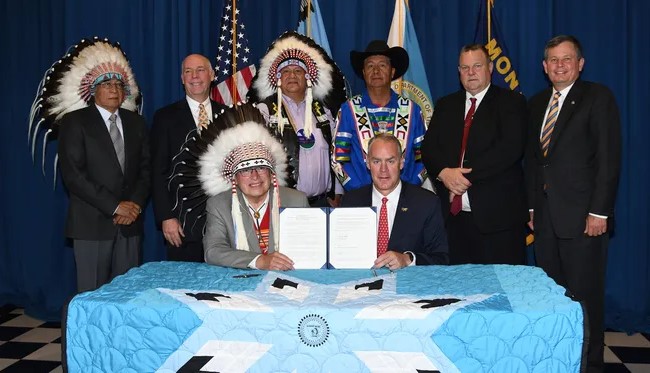
In 1979, the Montana Legislature established the Reserved Water Rights Compact Commission (RWRCC) to negotiate settlements, or compacts, with Indian tribes and federal agencies that claimed reserved water rights within Montana.
Because many reserved water rights have senior priority dates, the RWRCC negotiated for limits on those reserved rights to protect water rights arising under state law and to allocate water fairly. As a result of RWRCC’s negotiations, the Montana Legislature approved 18 water right compacts between 1985 and 2015.
After state approval, each compact must also be approved by the tribal government (if applicable) and the federal government. The water rights quantified in a compact must then be decreed by the Montana Water Court as part of the statewide adjudication of water put to use before July 1, 1973.
The DNRC compact program now fulfills the State's commitments under these compacts since negotiations concluded and the RWRCC is now inactive.
Montana's 18 Water Right Compacts
The State of Montana has entered into 18 water right compacts with federal agencies and tribal governments. Click a compact name to learn more.
Tribal Water Right Compacts
Federal Water Right Compacts
- Upper Missouri River Breaks National Monument
- Bear Trap Canyon/Upper Missouri Wild and Scenic River
- National Park Service
- Benton Lake National Wildlife Refuge (NWR) and Black Coulee NWR
- Bowdoin NWR
- Charles M. Russell NWR
- National Bison Range
- Red Rock Lakes NWR
- U.S. Forest Service
- Fort Keogh Research Station
- Sheep Experiment Station
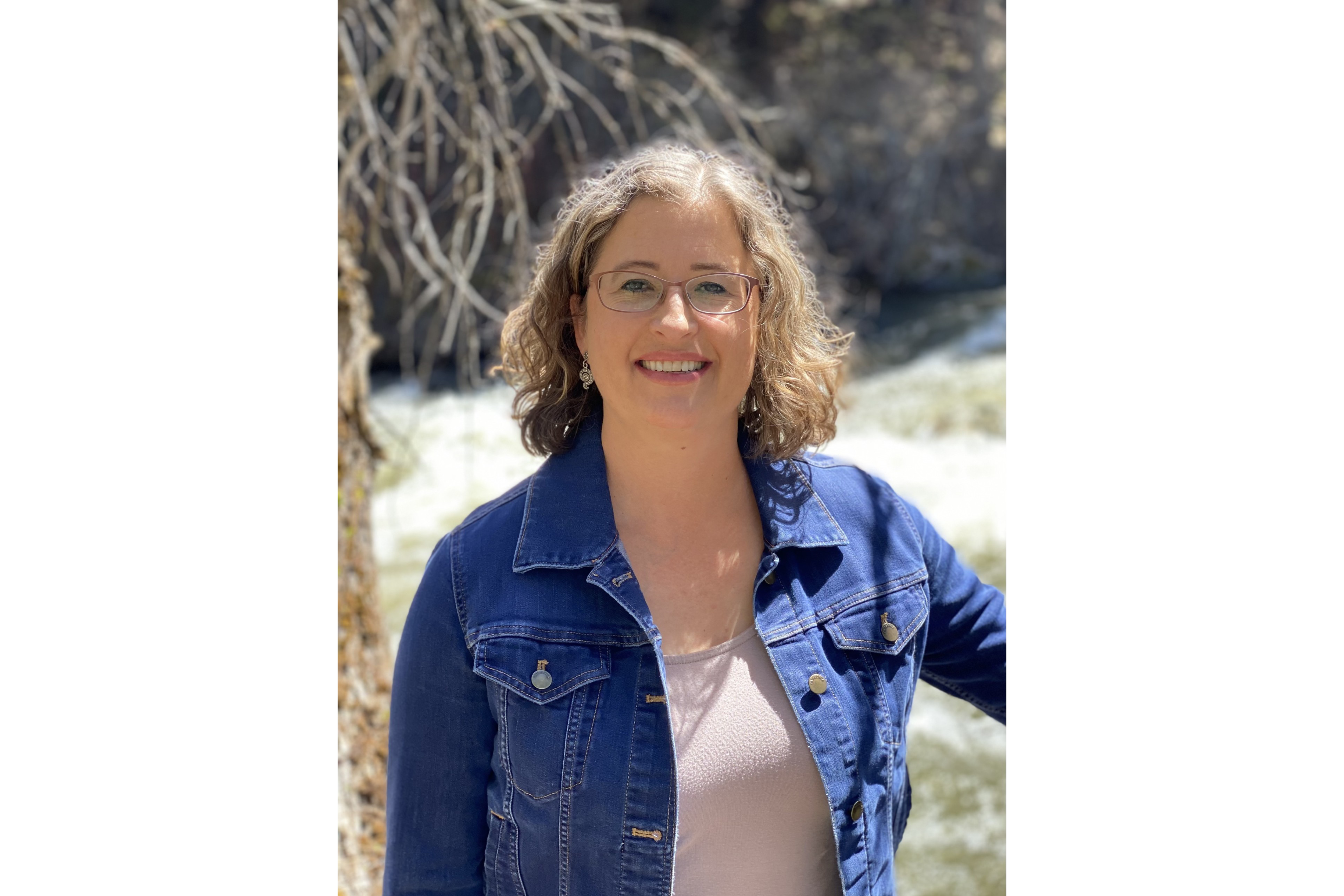
Pelah Hoyt | Program Manager
Email: pelah.hoyt@mt.gov |Phone: 406-324-0718 |Location: Missoula Regional Office
Pelah manages the Compact Program and participates in aspects of all 18 water compacts. If you have a question and are not sure who to contact, reach out to Pelah.
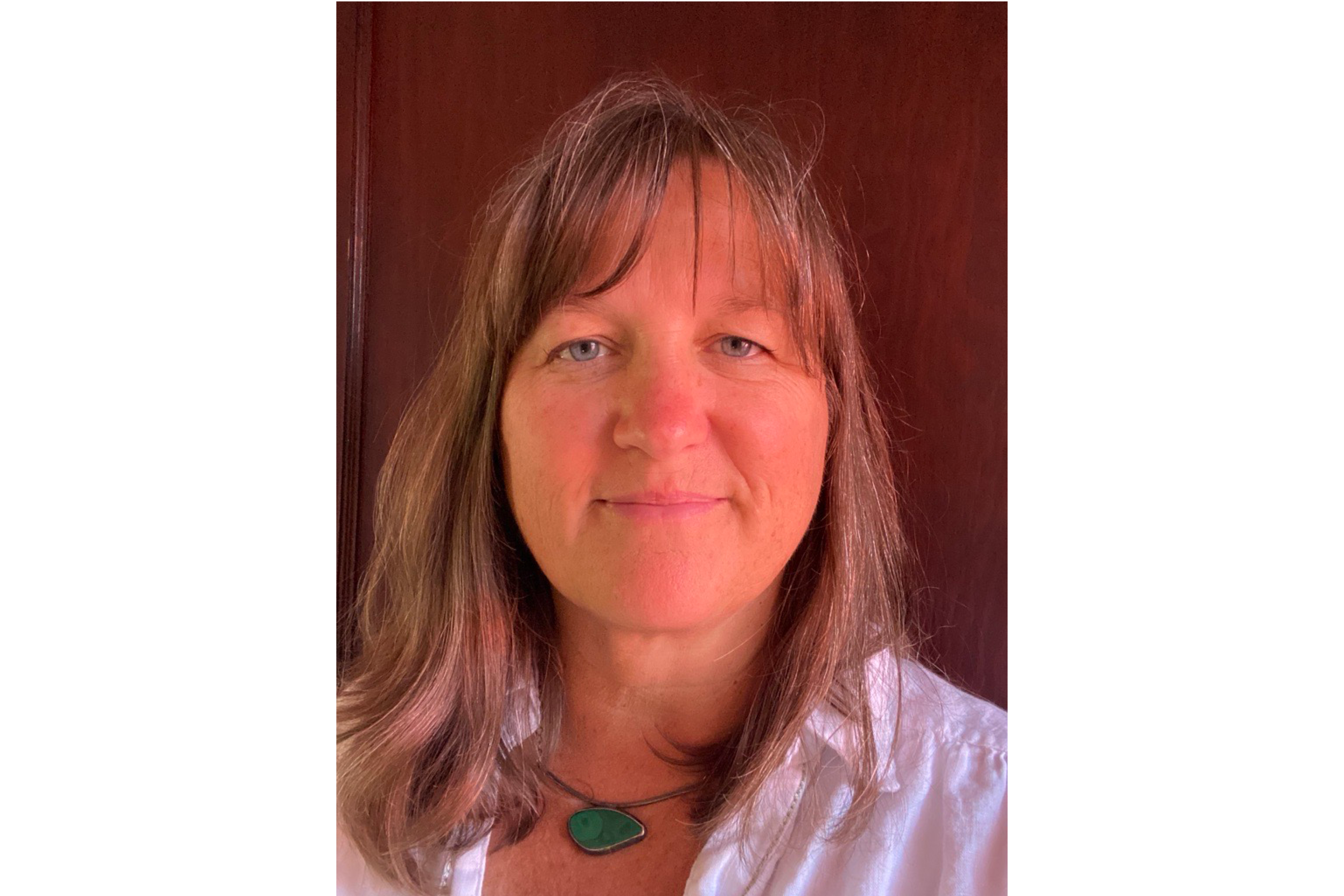
Morgan Case | Regional Compact Coordinator
Email: morgan.case@mt.gov |Phone: 406-444-5174 |Location: Helena Water Resources Division Office
Morgan works on compacts with tribes east of the continental divide and with some federal agencies.
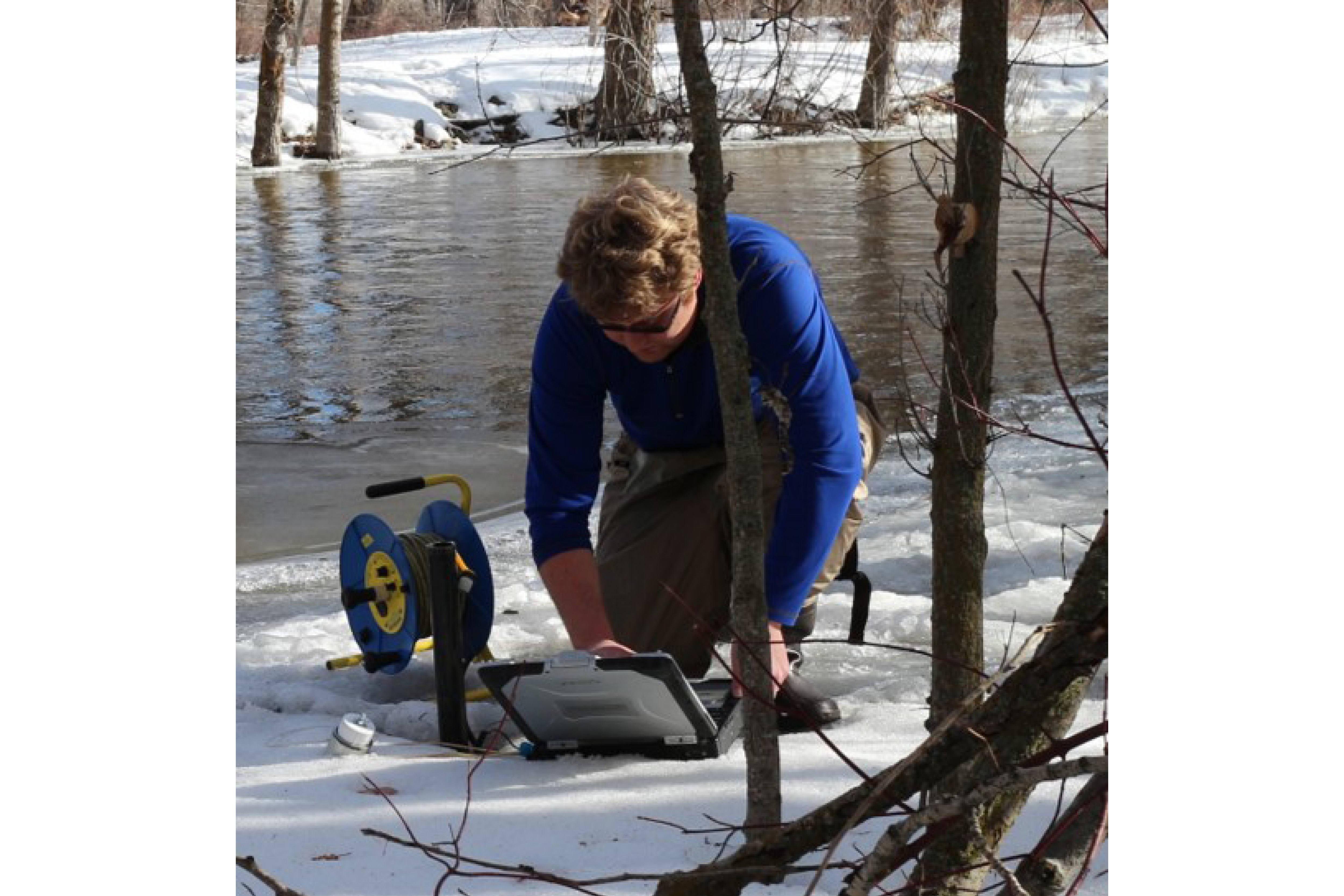
Attila Folnagy | Hydrologist Supervisor
Email: afolnagy@mt.gov |Phone: 406-444-6630 |Location: Helena Water Resources Division Office
Attila works on compacts with federal agencies and tribes east of the continental divide.
Pat Lauridson | CSKT Compact Coordinator
Email: Patrick.Lauridson@mt.gov |Phone: 406-542-5887 |Location: Missoula Regional Office
Pat focuses on the Confederated Salish and Kootenai Tribes Compact.
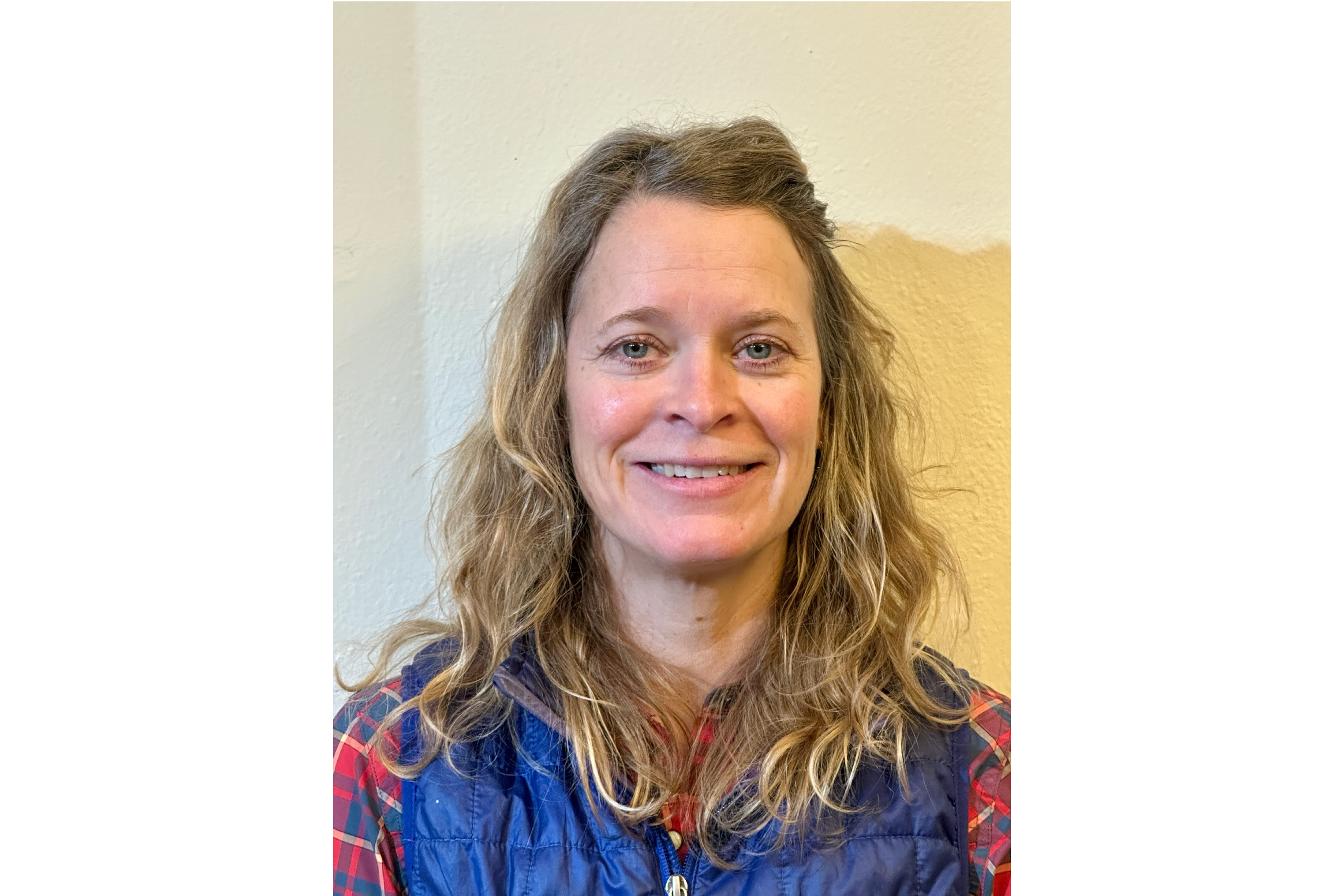
Heather McAdams | Hydrologist
Email: heather.mcadams@mt.gov |Phone: 406-542-5890 |Location: Missoula Regional Office
Heather focuses on compacts with the Confederated Salish and Kootenai Tribes, Blackfeet Tribe and the U.S. Forest Service.

Maya Rao | Hydrologist
Email: maya.rao@mt.gov |Phone: 406-542-5884 |Location: Missoula Regional Office
Maya serves on the Compact Implementation Technical Team (CITT) on the Flathead Reservation and works on the U.S. Forest Service Compact.