A Century of Stewardship: Montana's State Forests at 100
1925 – 2025
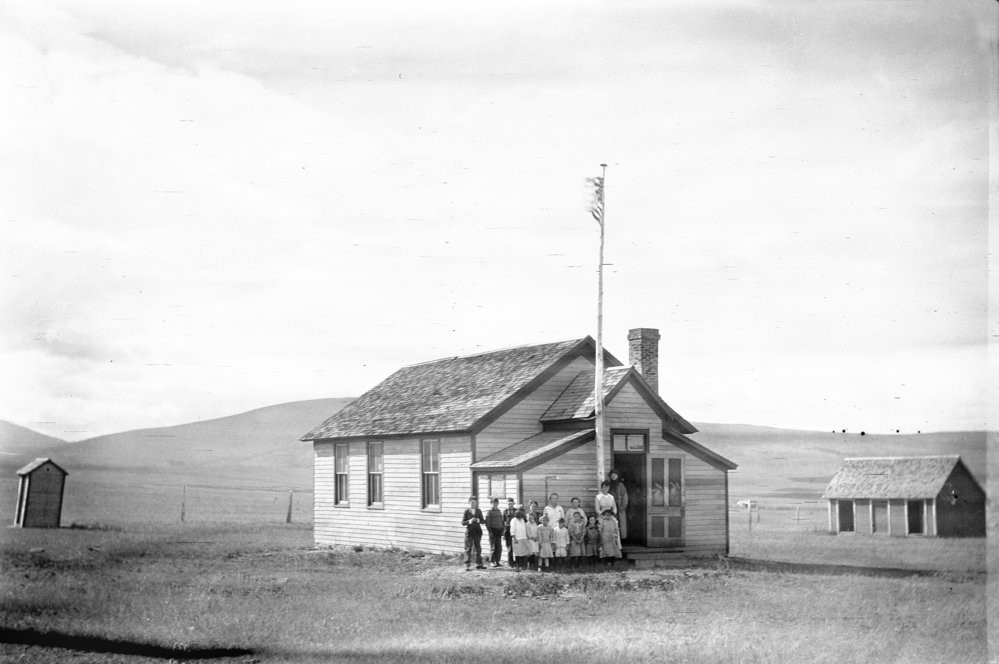
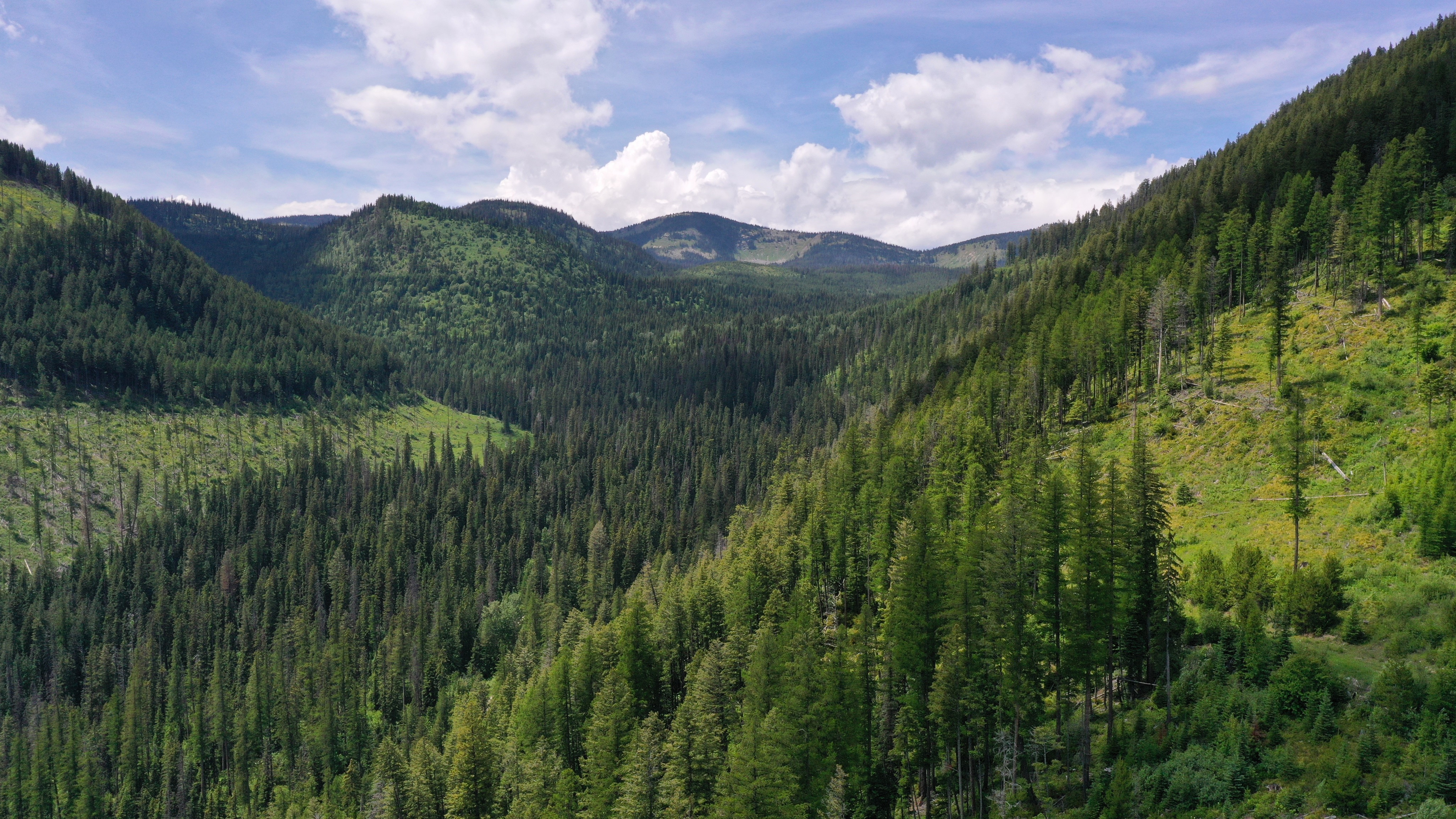
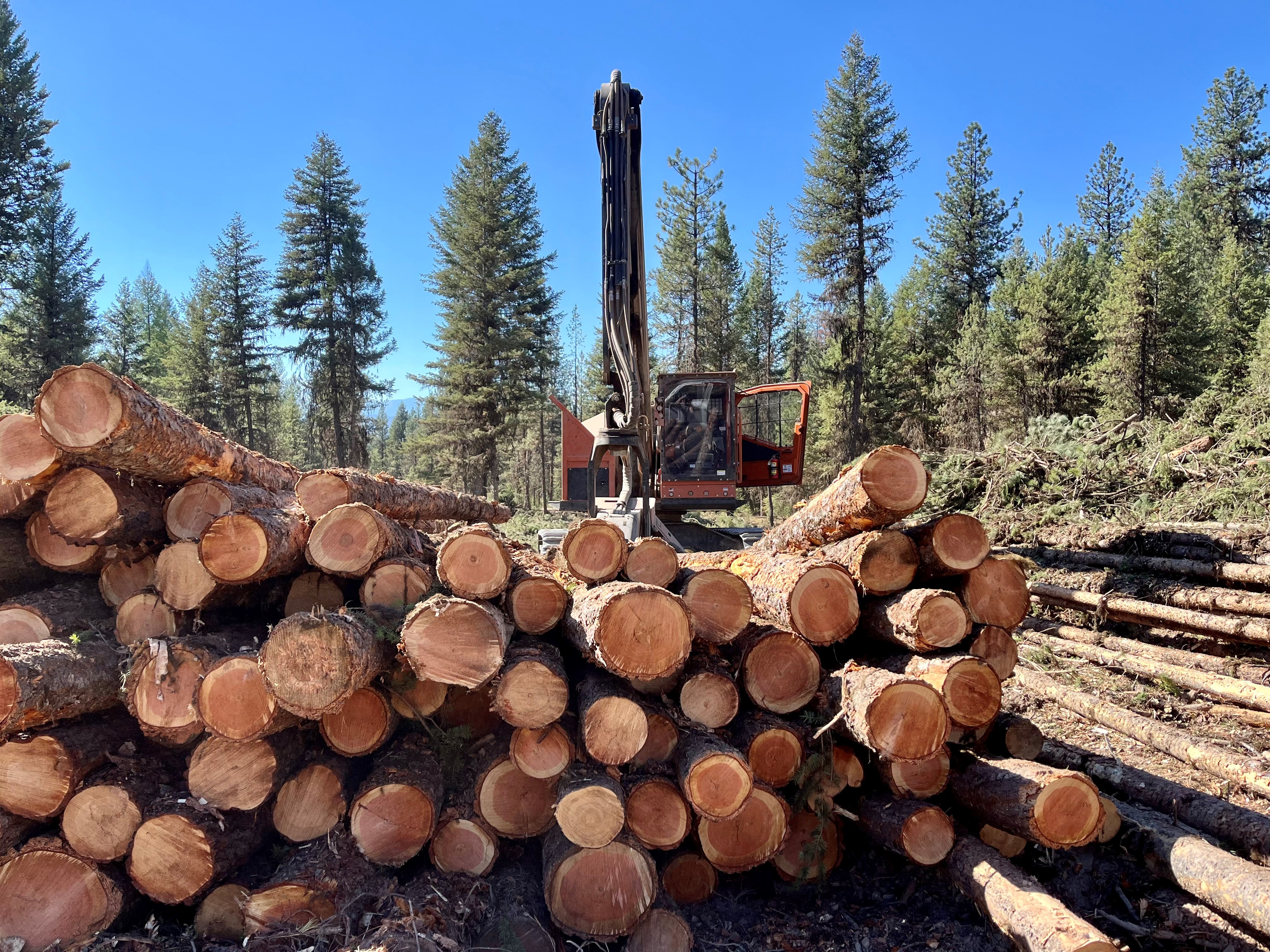
Betts School, Cascade County, Montana in the early 1900's (left), the Swan River State Forest (middle) and a log deck on a timber sale in the Thompson River State Forest (right).
For 100 years, Montana’s state forests have stood as a testament to careful stewardship and enduring public benefit. When the State Legislature established seven state forests in 1925, their vision was to protect watersheds and promote sustainable forest management.
Today, the Department of Natural Resources and Conservation (DNRC) continues that legacy by managing Montana’s forested state trust lands to support education and public institutions—generating an average of $10.5 million each year for schools and communities across the state.
Explore the stories and history behind each of Montana’s state forests through the online story map below.
Centennial State Forests Story Map
How Montana’s Trust Lands Began
When Montana became a state in 1889, Congress granted certain lands to Montana to support public education and other institutions. Specifically, sections 16 and 36 in every township were designated for Common Schools (K-12). In cases where these sections were already homesteaded, located within Indian reservations, or otherwise unavailable, the state selected alternative lands to fulfill these grants. Additional acreage was also provided for universities and other state institutions with each parcel assigned to a specific trust.
A Legacy of Working Lands
Today, the Trust Lands Management Bureaus oversee about 5.2 million surface acres and 6.2 million subsurface acres. The larger mineral estate reflects Montana’s retention of mineral rights on previously sold lands. Although much of this land is open to public recreation, it primarily serves as working land leased for agriculture, grazing, and mineral development to generate revenue for state trust beneficiaries. Management decisions aim to balance revenue generation with environmental stewardship and long-term land productivity.
Who Benefits from Montana’s Trust Lands?
Revenue from Montana’s trust lands supports a broad range of public institutions and services, including common schools (K–12), the University of Montana, Montana State University (Morrill and Second Grants), Montana Tech, MSU Eastern/UM Western, Capitol Buildings, the Veterans Home, the School for the Deaf and Blind, the Pine Hills Correctional Facility, the Intensive Behavior Center, and the Montana State Hospital. Additional beneficiaries include the Public Land Trust for navigable rivers and the Acquired Lands Trust. Montana’s trust lands are managed to sustain these institutions today and for future generations.