Become a Wildland Firefighter
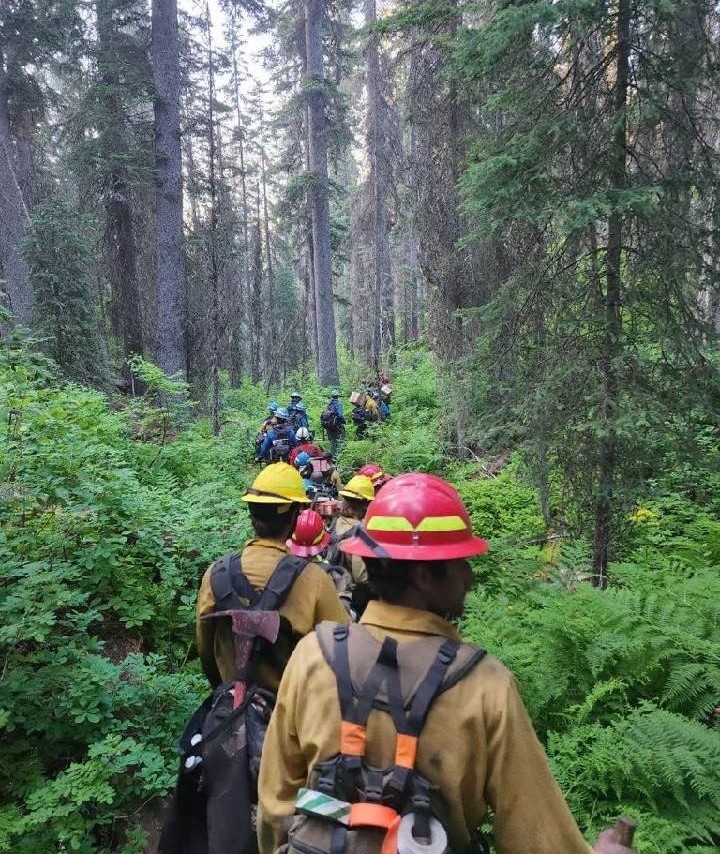
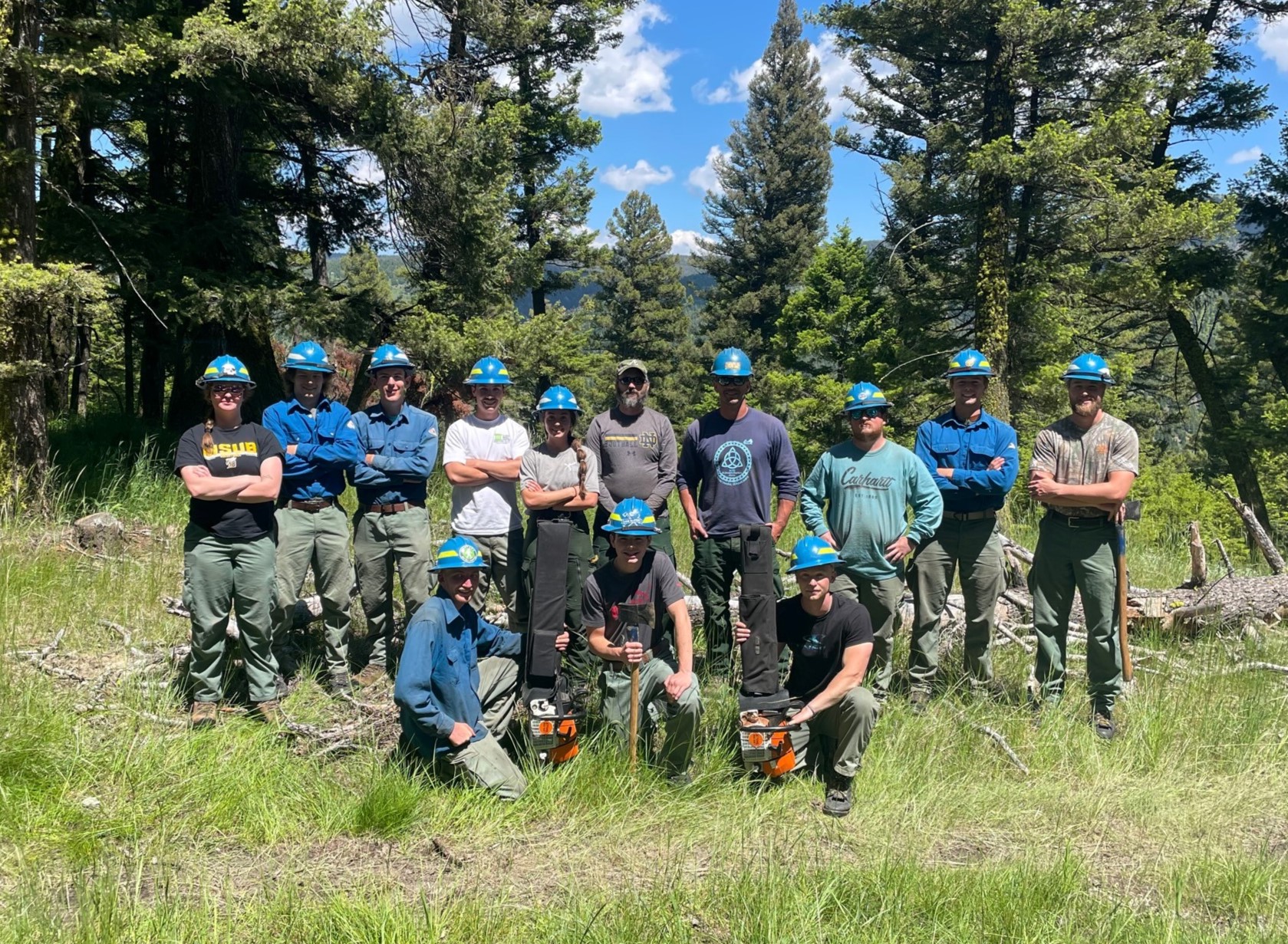
If you have a passion for the outdoors, are willing to learn and be part of a team, then you should apply to be a wildland firefighter for the DNRC. Applications for seasonal wildland firefighting positions are now OPEN for the 2026 season. Positions include firefighter, engine boss, helicopter crew member, aerial observer, fuel truck driver, initial attack dispatcher, and forest improvement technician. For more information on what it takes to be a wildland firefighter, click through the links below and apply today!
Application Phase
To apply for a seasonal wildland firefighter position with the DNRC, candidates must submit their applications online through the State of Montana website. To view open positions, visit statecareers.mt.gov, type "firefighter" in the "Keyword" box and click the search button. Applications are accepted each year beginning in January, 2026. Early applications are strongly recommended. Required application materials include a resume, an online application, and a cover letter that addresses specific questions related to outdoor experience, physical fitness, teamwork, and relevant skills. Applications will be reviewed on a continual basis starting in mid-February, 2026.
Hiring Phase
Interviews are typically held between mid-March through Mid-April. Interviews are conducted in person at the Unit (office) location. If successful in the interview, the candidate will be offered the position conditioned upon successfully passing the arduous pack test. This test is comprised of a 3-mile hike with 45-pound pack in 45 minutes which is typically completed the first or second week in May.
Training Phase
DNRC has developed a comprehensive training program that supports all fire management activities and delivers training courses to its own permanent and seasonal firefighting personnel. In addition to providing training, DNRC also maintains records of firefighters’ training, experience, qualifications, and certifications to help ensure that appropriately trained personnel are available to meet Montana’s wildfire management staffing needs.
DNRC will host a mandatory statewide WILDLAND FIRE ACADEMY in Dillon, MT from May 26 - June 5. Additionally, each Unit will provide supplemental training and field days. Continued training will take place throughout the summer.
What qualifications do I need to become a firefighter?
All required training needed will be provided to successful candidates onces they are hired. Qualifications vary depending on whether you are coming in as a wildland firefighter 2 or 1, helitack crew member, initial attack dispatcher, engine boss, etc.
What should I write in my cover letter?
Your cover letter should focus on detailing relevant experiences, such as outdoor or physically demanding work, equipment use (such as chainsaws, axes or mechanical repair) and teamwork skills, and motivation for applying. One page is sufficient so long as you answer the questions listed in the job posting.
Effective July 1, 2026 all DNRC firefighters and staff will receive a $1 per hour pay increase.
Do DNRC firefighters receive hazard pay?
All DNRC firefighters and emergrency response staff receive a 10% increase to their hourly pay when supporting authorized emergency work. This includes response to wildland fire incidents and other all-hazard incidents.
What locations (units) provide FREE housing?
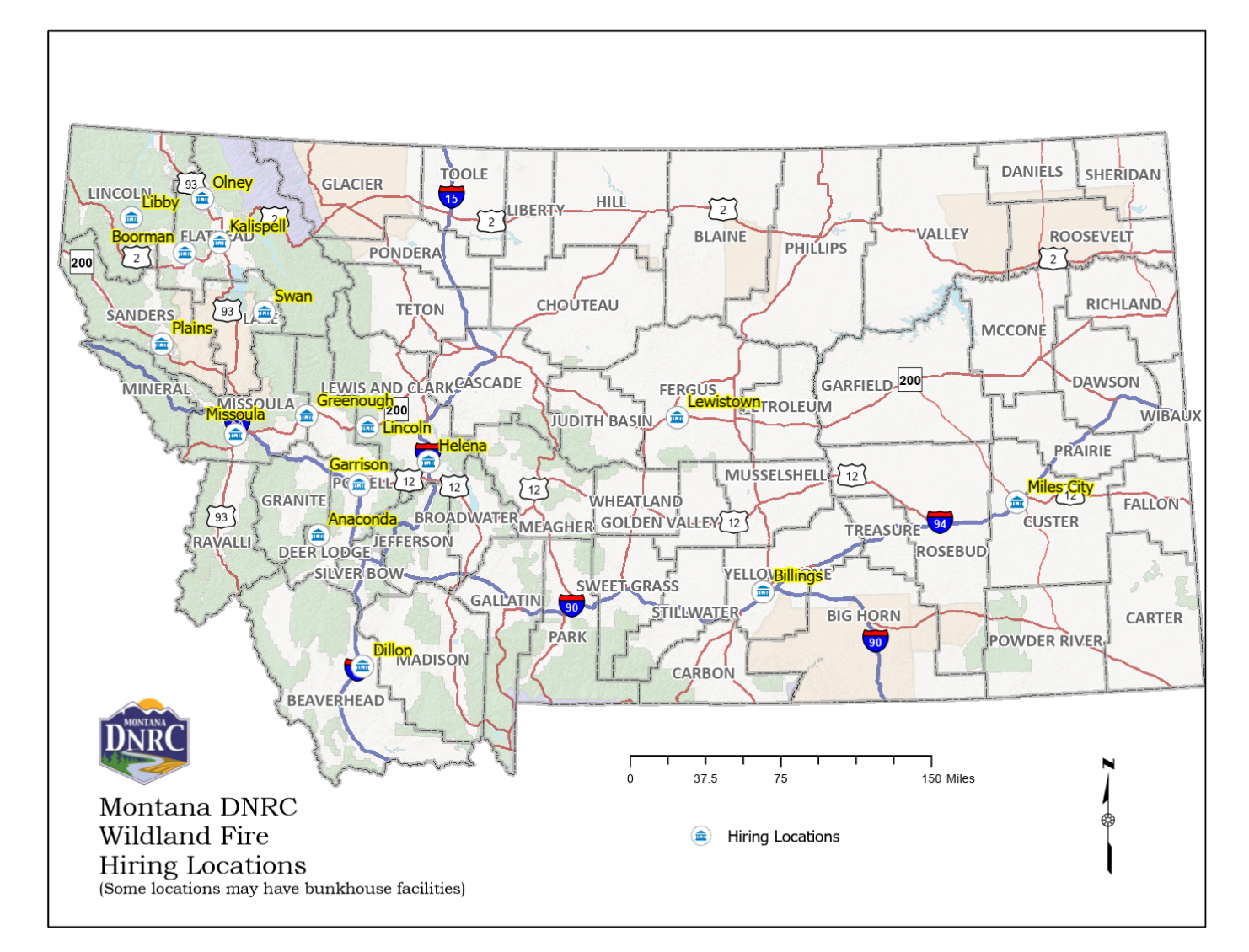
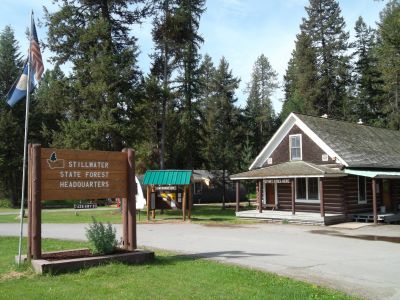
Helena Unit, Dillon Unit, Lincoln Unit, Olney Station, Clearwater Unit, Garrison Station, Boorman Station of Kalispell Unit, Stillwater Unit, Swan Unit and Libby Units all have bunkhouses on location that are free for seasonal employees on a first come, first served basis.
What kind of hours do firefighters work?
A typical workday will vary depending on the season and fire activity, scheduled training, project work, assignments, etc. Work will also vary based upon Units across the state.
Do firefighters receive overtime pay?
Yes. Employees receive overtime pay for hours worked in excess of 40 in a workweek at one and one-half times their regular rate of pay. This includes the 10% differential pay increase when on a fire and/or all-hazard incident.
When does the season begin and how long does a typical season last?
Employment is generally 3-4 months with work beginning as early as May and ending in early September with the potential to begin as early as April and run as late as October depending on fire activity.
How and where can I gain experience before the season begins?
Joining a volunteer fire department is a good way to gain experience if candidates are looking into getting into this field of work. Additionally, there is an opportunity to take some online training courses through the National Wildfire Coordinating Group.
What type of gear do I need to purchase and what will the DNRC prove for me?
The DNRC will provide all the necessary personal protective equipment though each firefighter will be responsible for purchasing their own fire boots. Wildland firefighting personnel are required to wear boots that are at least 8 inches high from the heel to the top with a lace-up design and lug soles that are melt-resistant, adhering to specific requirements for durability and safety in rugged conditions.
A Preparedness Guide for Wildland Firefighters and Their Families - National Wildfire Coordinating Group
|
|
|
|
|
|
|
|
|
|
|
|
|
|
|
Hiring Contact: Dustin Lenz (406) 839-5202 Dustin.Lenz@mt.gov
|
|
|
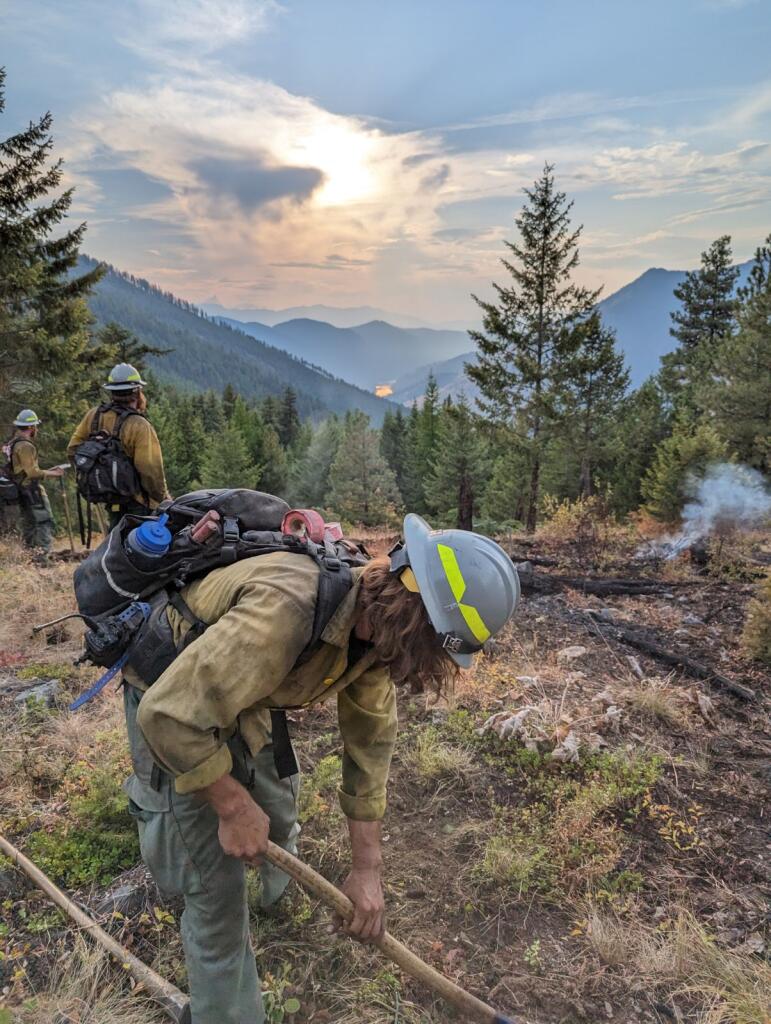
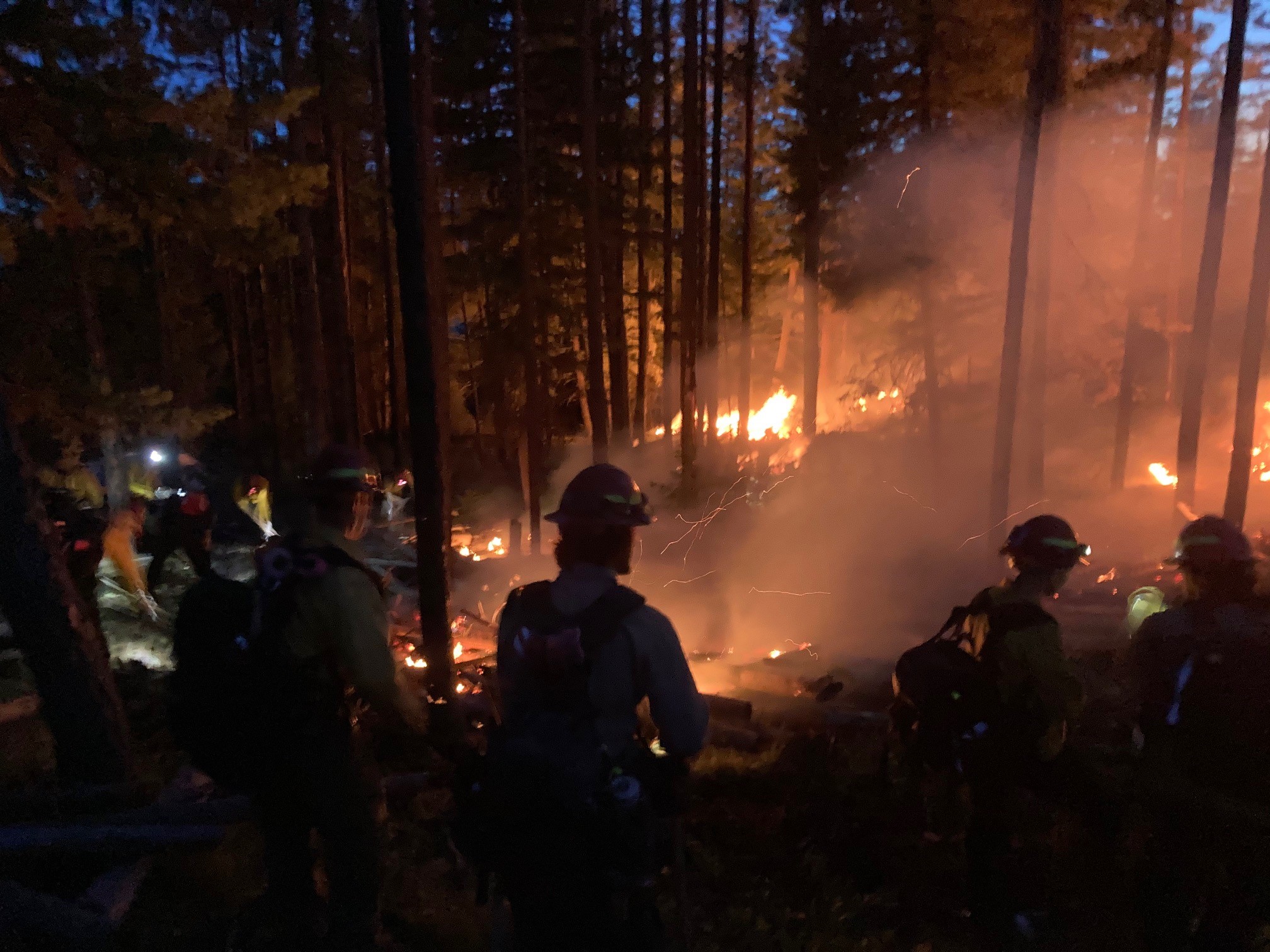
Libby Unit Firefighters on Initial Attack 2023 |
|
|
|
|
|
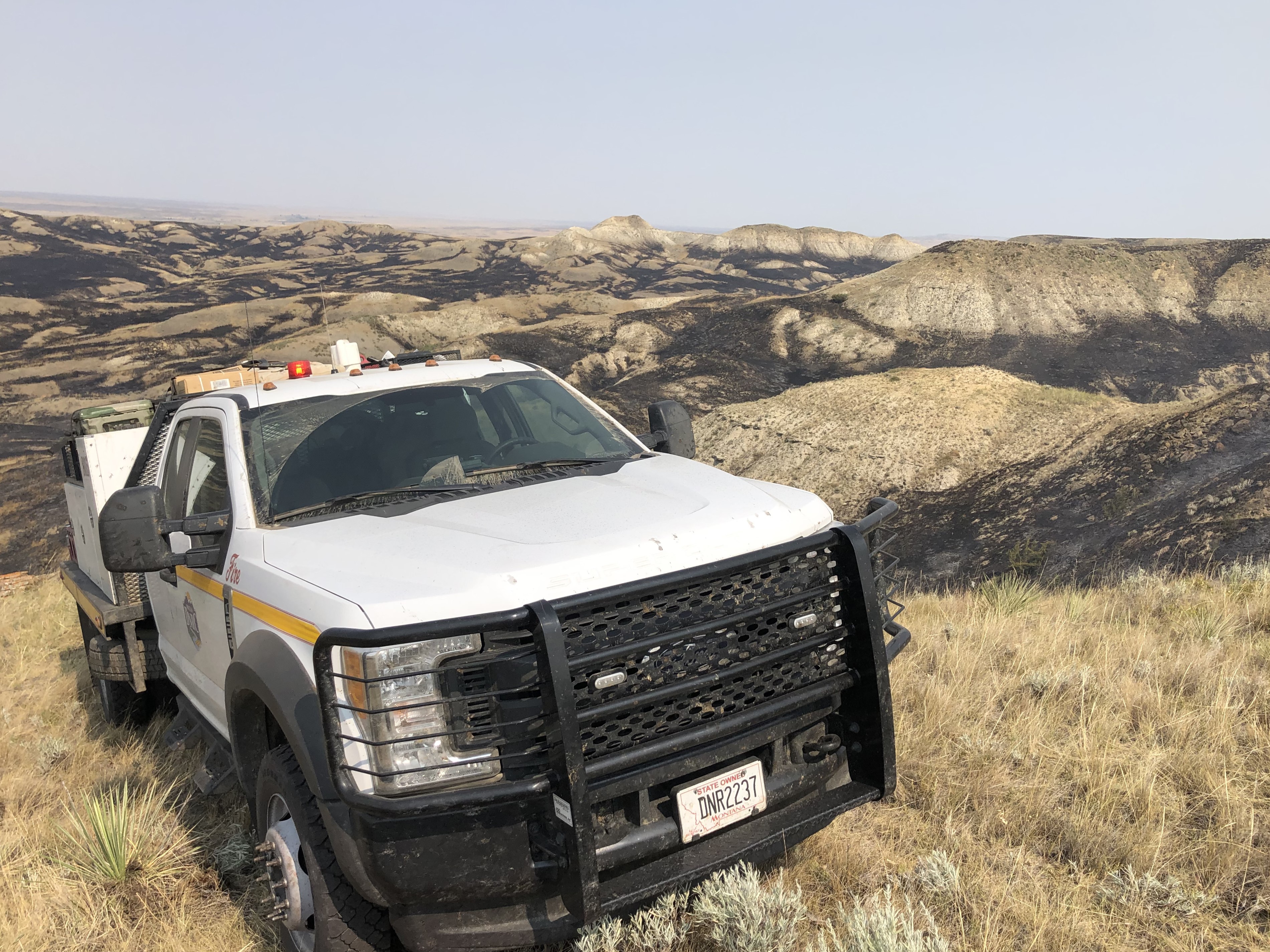
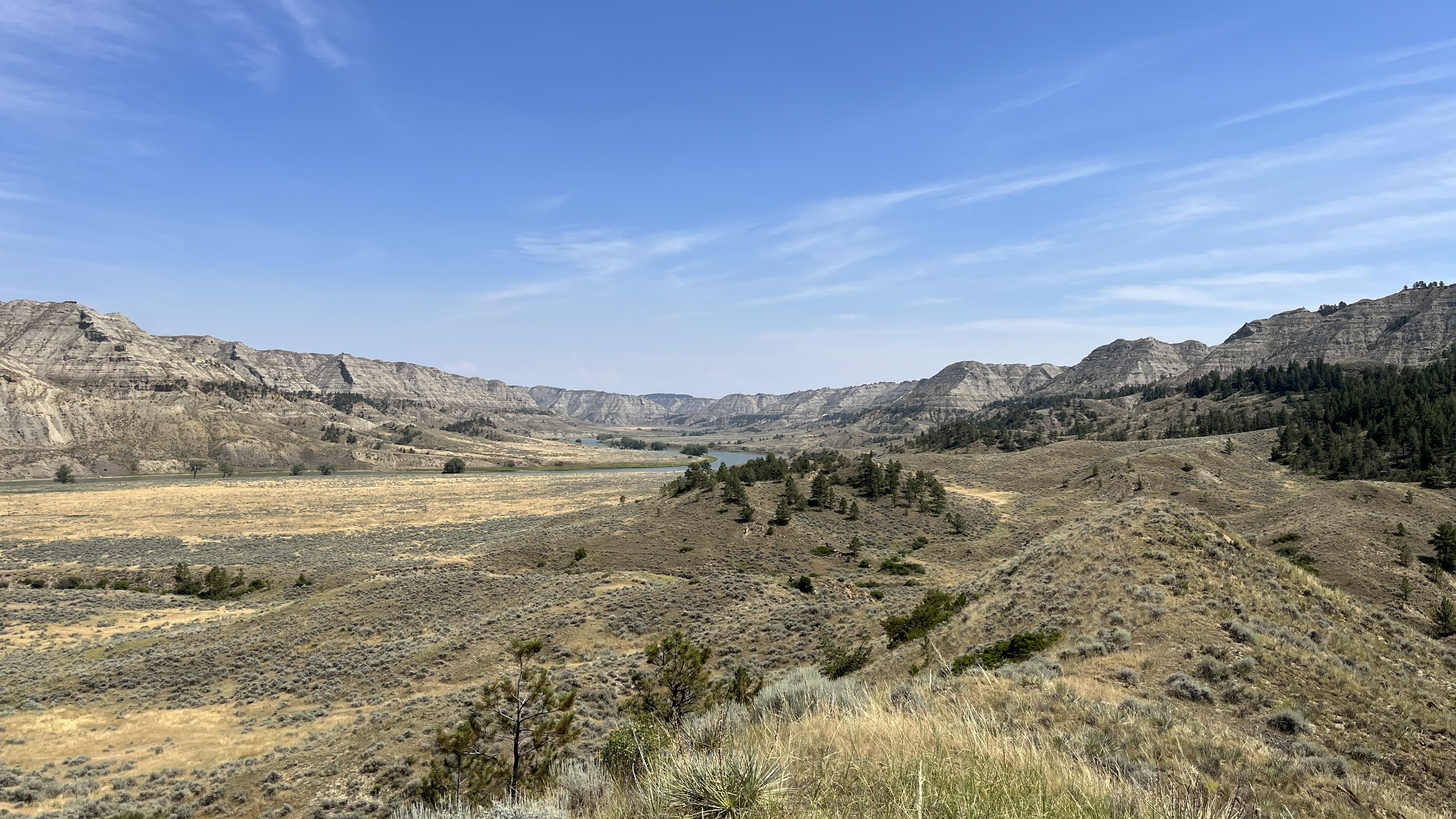
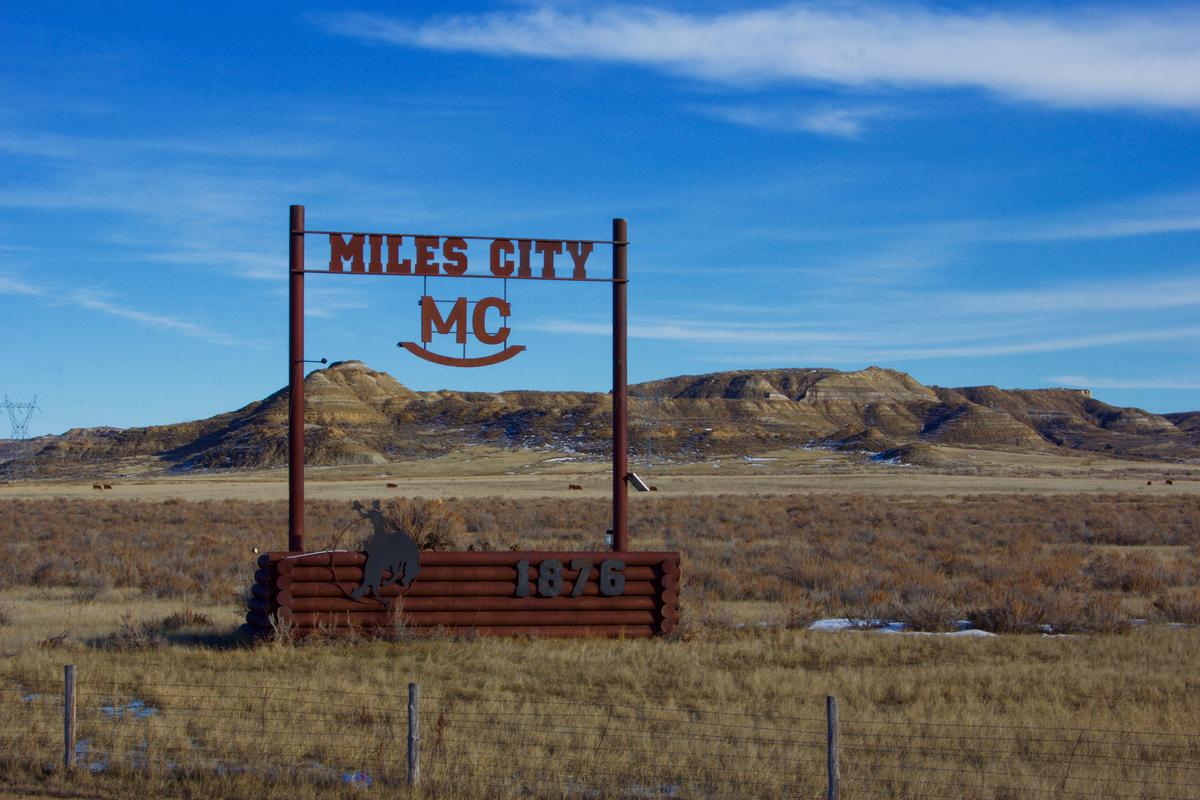
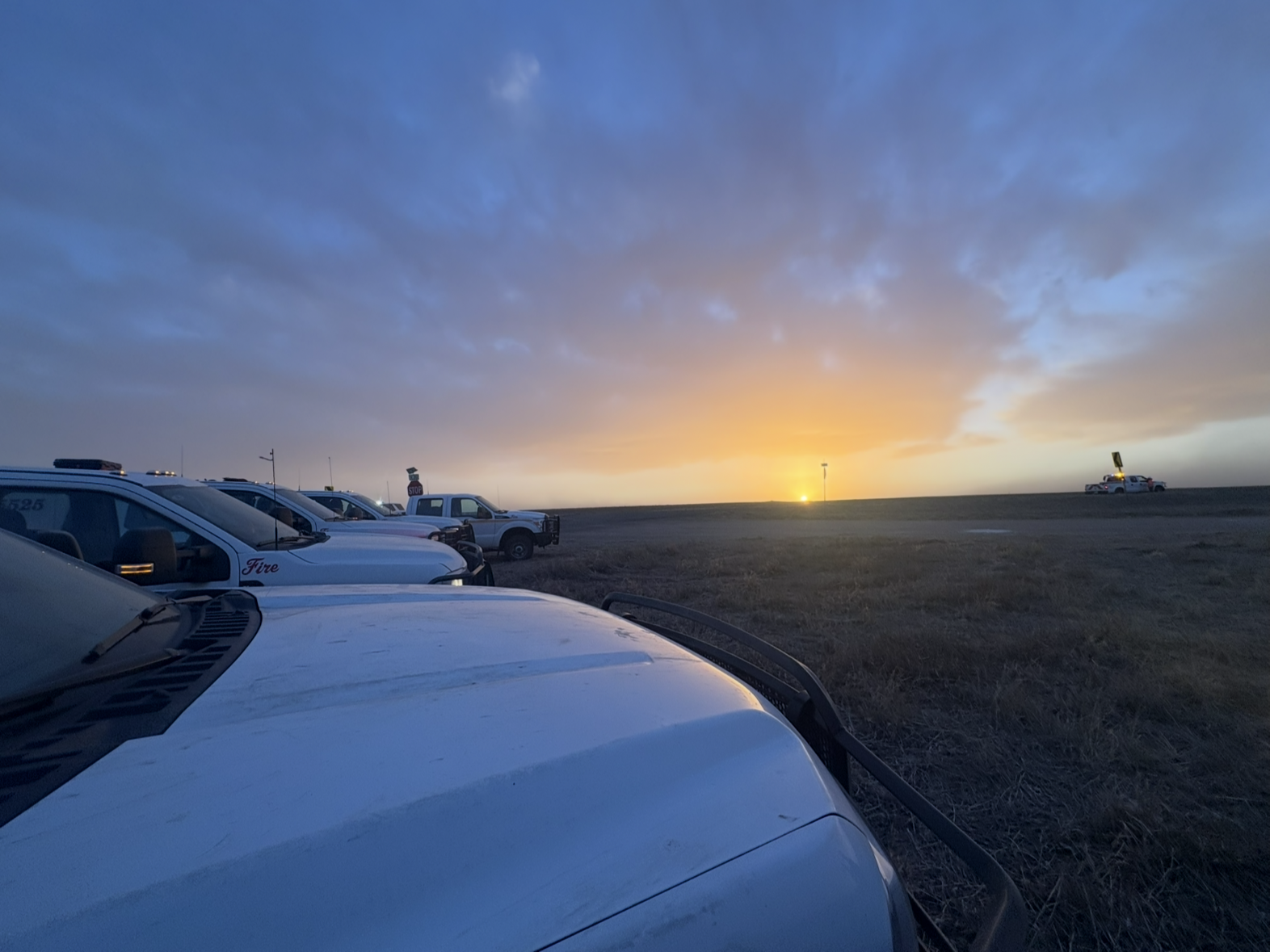
Location: Based in Miles City, the Eastern Land Office operates in the heart of Eastern Montana’s prairie and rangeland country. The area is known for its open space, agricultural roots, and strong sense of community. Miles City serves as a regional center for eastern Montana, offering essential amenities while still maintaining a small-town feel. A short drive from town places you in remote landscapes with plenty of recreation opportunities.
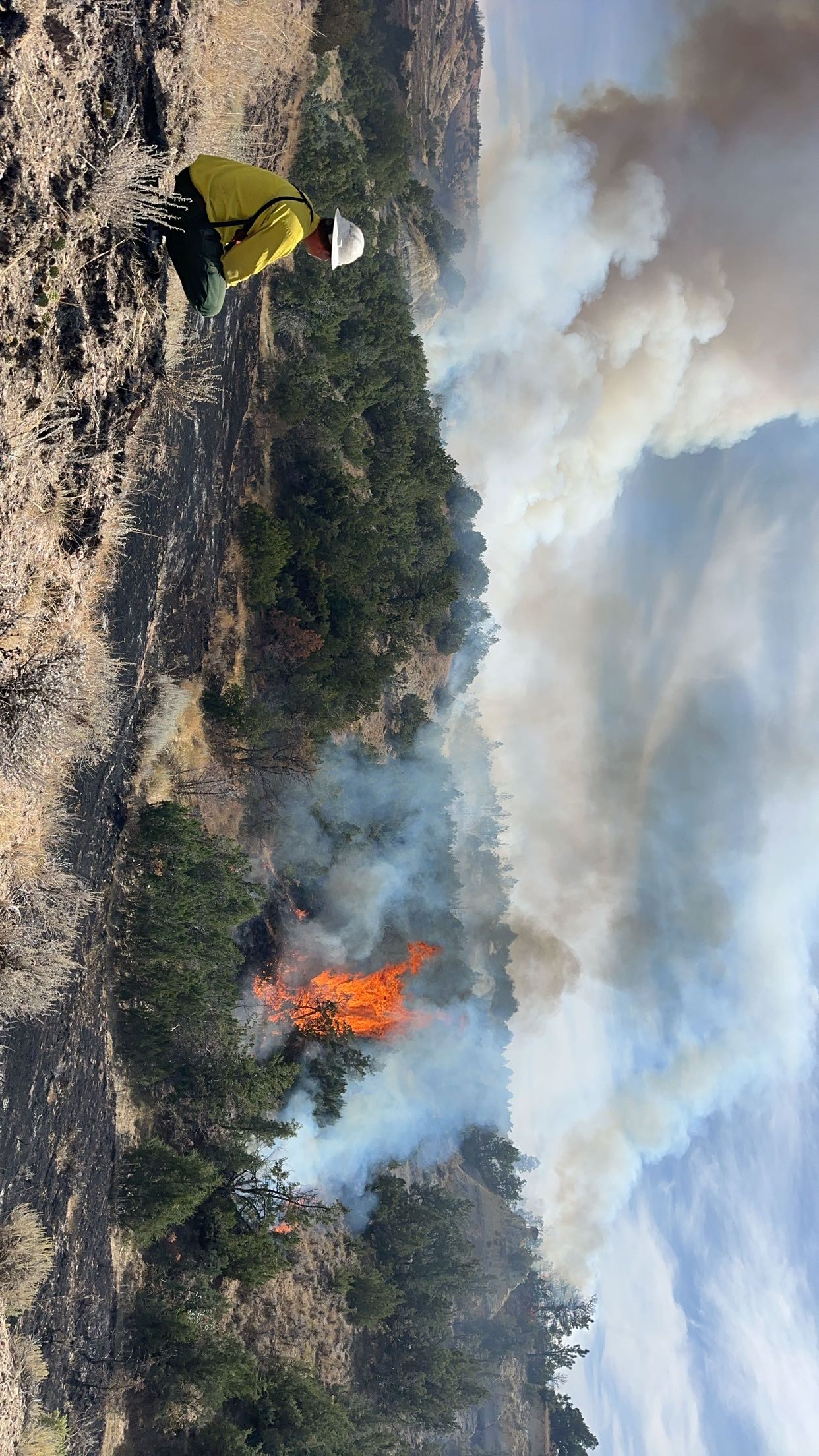
About Us: The DNRC Eastern Land Office provides wildland fire suppression coverage across 11 counties in Eastern Montana, encompassing large, rural response areas with varied fuel types and access challenges. We staff two Initial Attack engines and focus on rapid response, and safe, effective suppression operations. Our program is built around supporting local government cooperators by increasing on-the-ground capacity through engine resources, qualified overhead, and firefighters. Given the size of our protection area and call volume, we rely on adaptable, motivated personnel who are comfortable operating in remote environments and working closely as a team.
Recreation and Community: Life in Miles City offers direct access to a wide variety of outdoor opportunities, including fishing on the Yellowstone and Tongue Rivers, big-game and upland bird hunting, camping, and exploring the surrounding prairies and badlands. The community has a deep Western heritage, reflected in local events, history, and traditions, while still providing dining, shops, and year-round activities. For those who appreciate wide open spaces, minimal crowds, and a strong community culture, Miles City delivers a high quality of life.
Hiring Contact: Colin Sturgill 406-421-2282
|
|
|
|
|
|
|
|
|
|
|
|
|
|
|
|
|
|
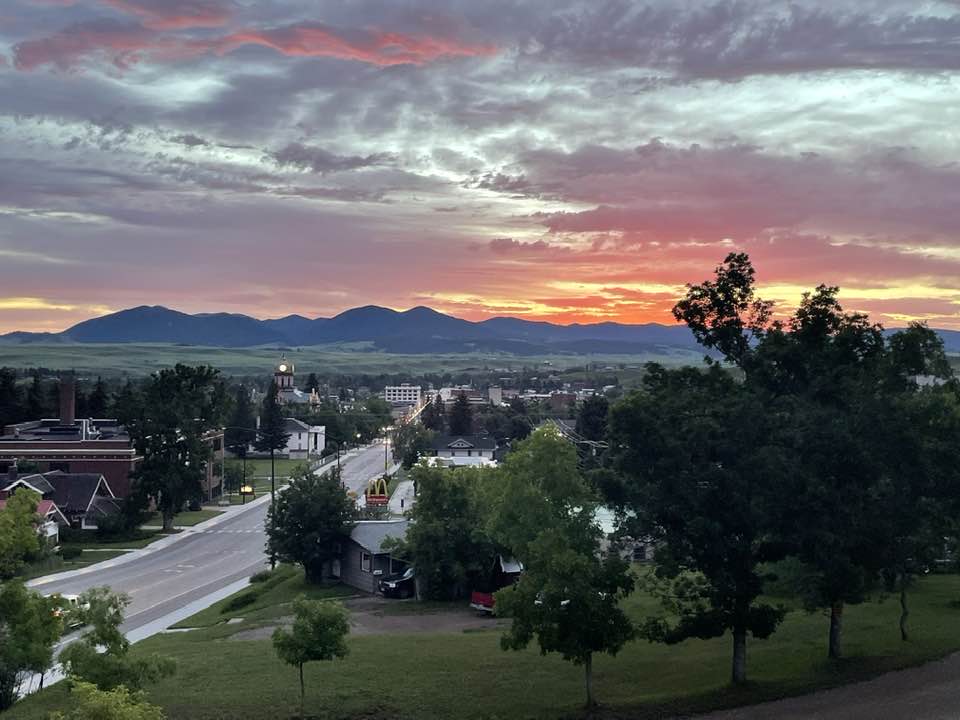
Location: Billings and its surrounding area offer the best of both worlds - while being the largest city in Montana, drive 20 minutes in any direction and you’re surrounded by open plains.
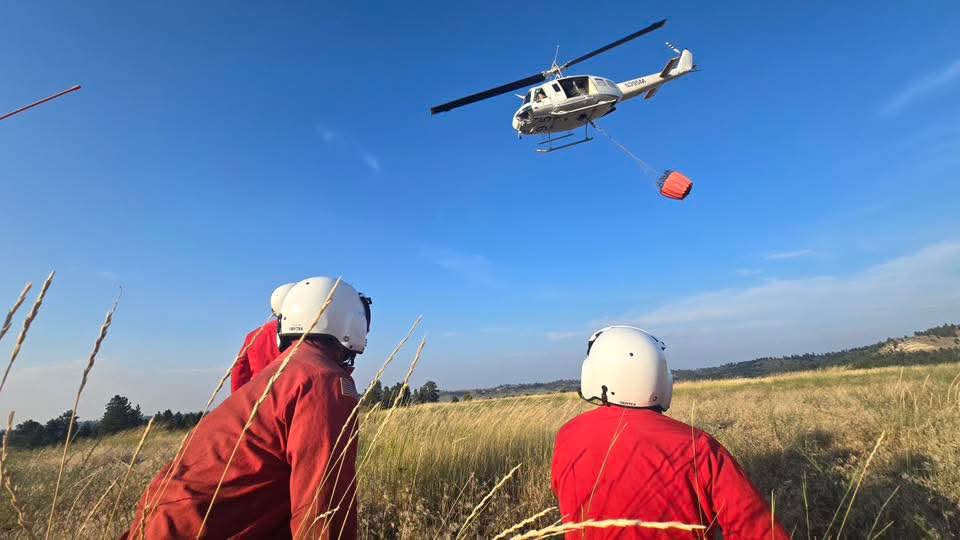
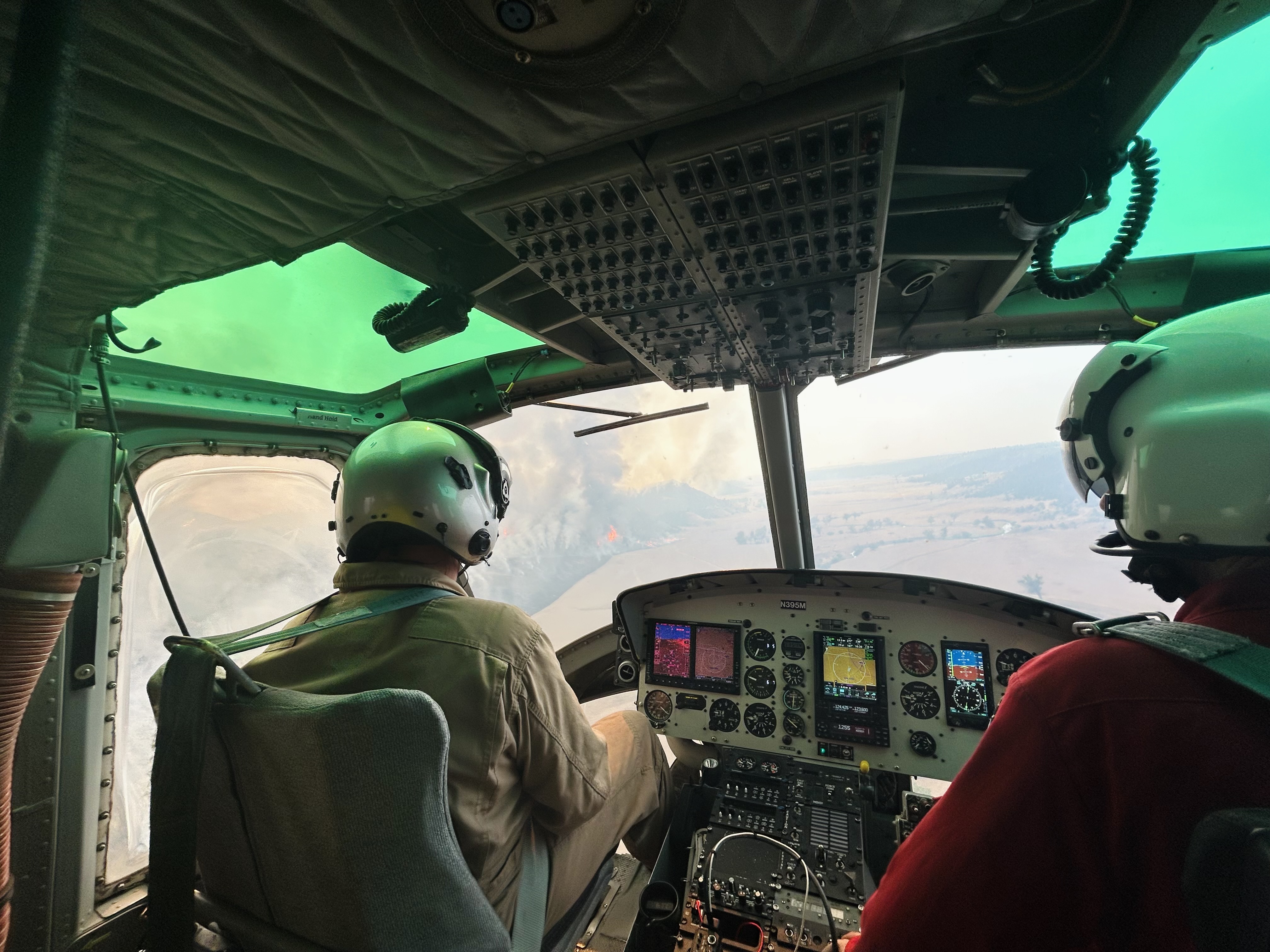
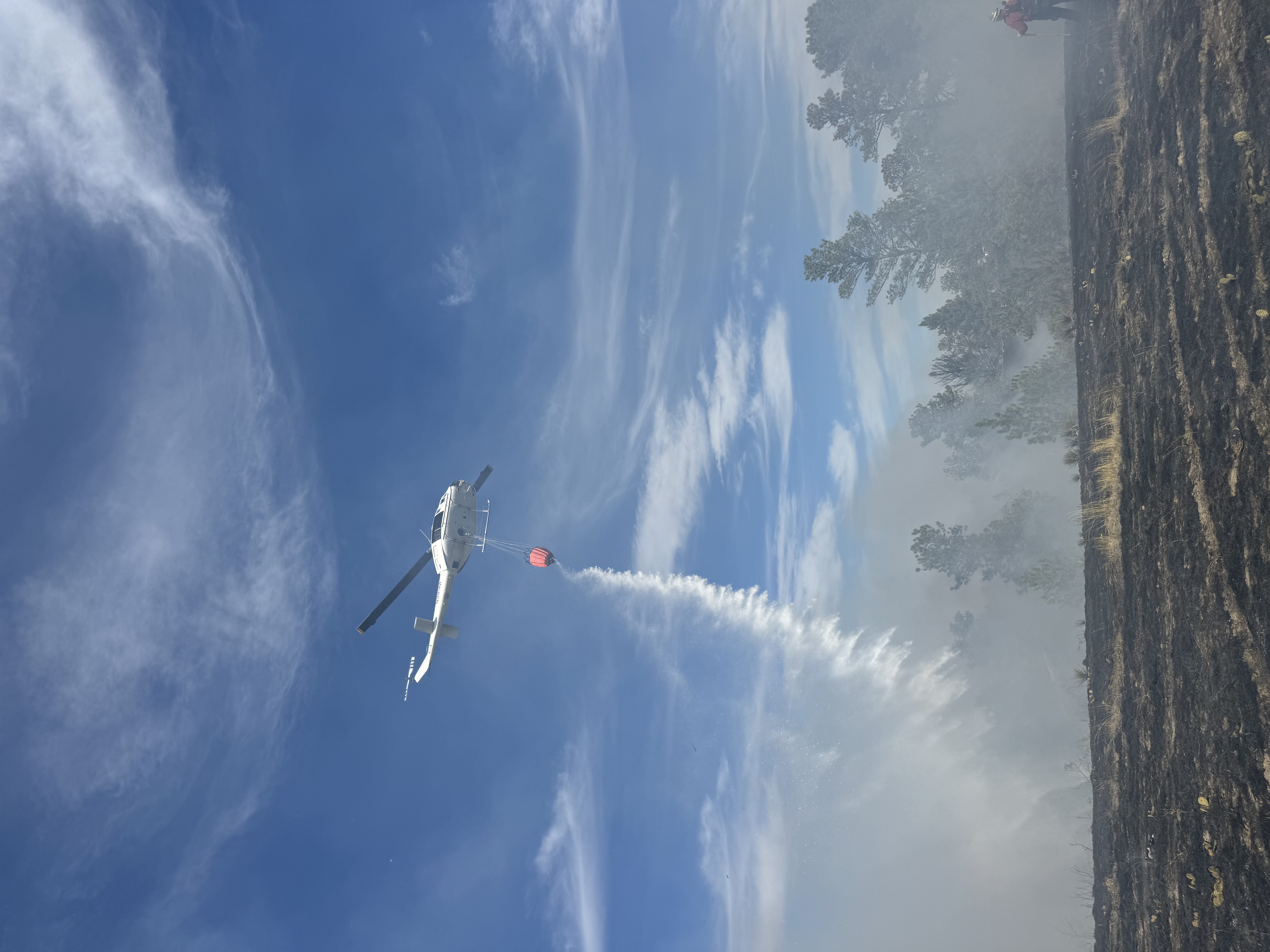
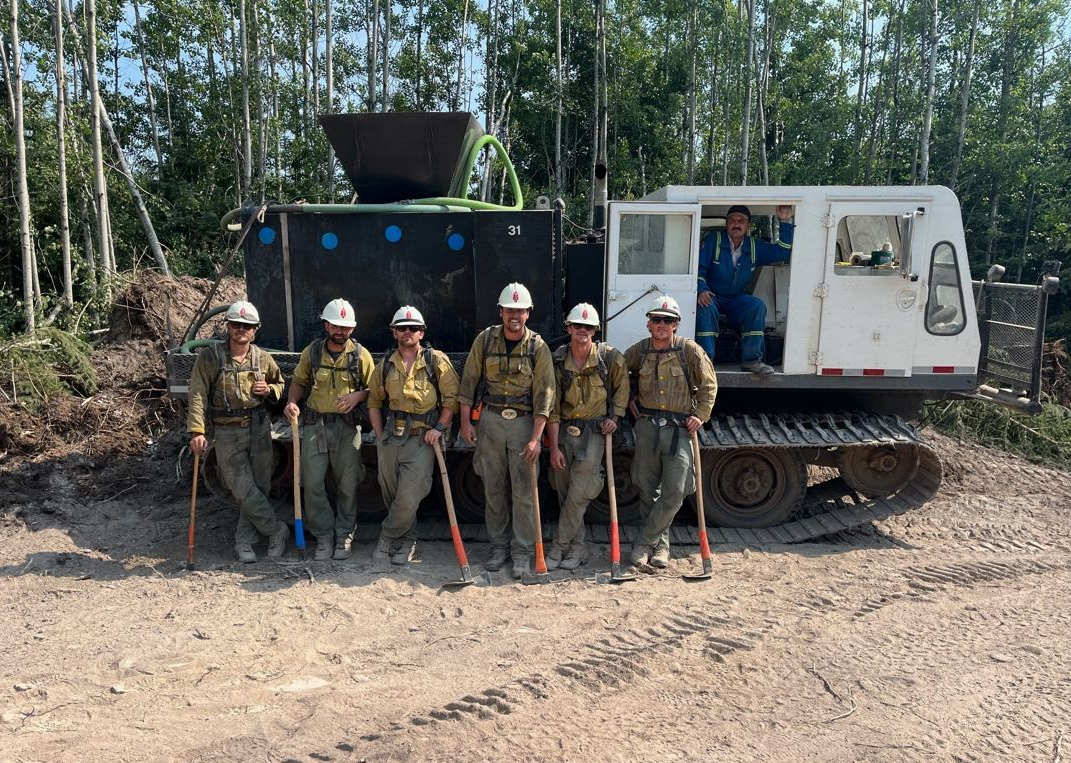
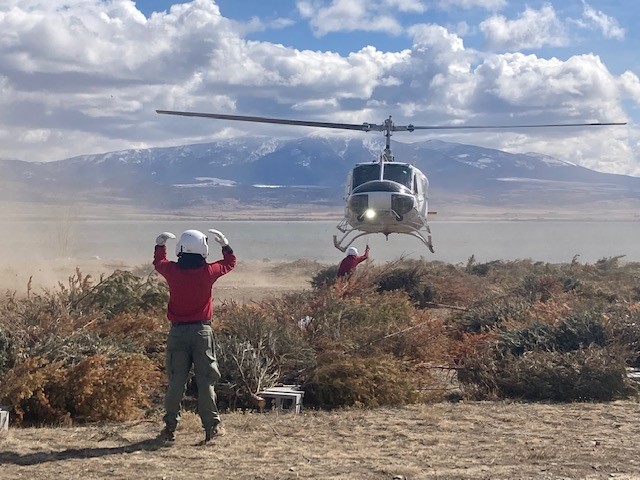
About Us: Within the DNRC Southern Land Office, we are responsible for fire suppression efforts within seven counties. Staffing one Initial Attack Type 2 helicopter, we strive to fight fire aggressively having provided for safety first. Our overall goal is to provide as many tools as possible to our local government cooperators, whether that is bucket work, overhead, sawyers, or a crew of firefighters. Having a typically high call volume, we are seeking experienced and motivated individuals to help us reach our goal.
Recreational Opportunities: Outdoor recreation is right at your doorstep, with fishing, hiking, biking, hunting, river activities, and camping. The Beartooth Mountains are just an hour away and Yellowstone National Park only 2 hours away. Offering year-round adventure and one of the best scenic drives in the state, The Beartooth Highway. Downtown Billings has a blend of historic Western roots and a modern social scene, featuring dining, craft breweries, music, and community events, with small towns nearby for a quieter pace of life.
Hiring Contact: Stormey Tucker (406) 927-4735
|
|
|
|
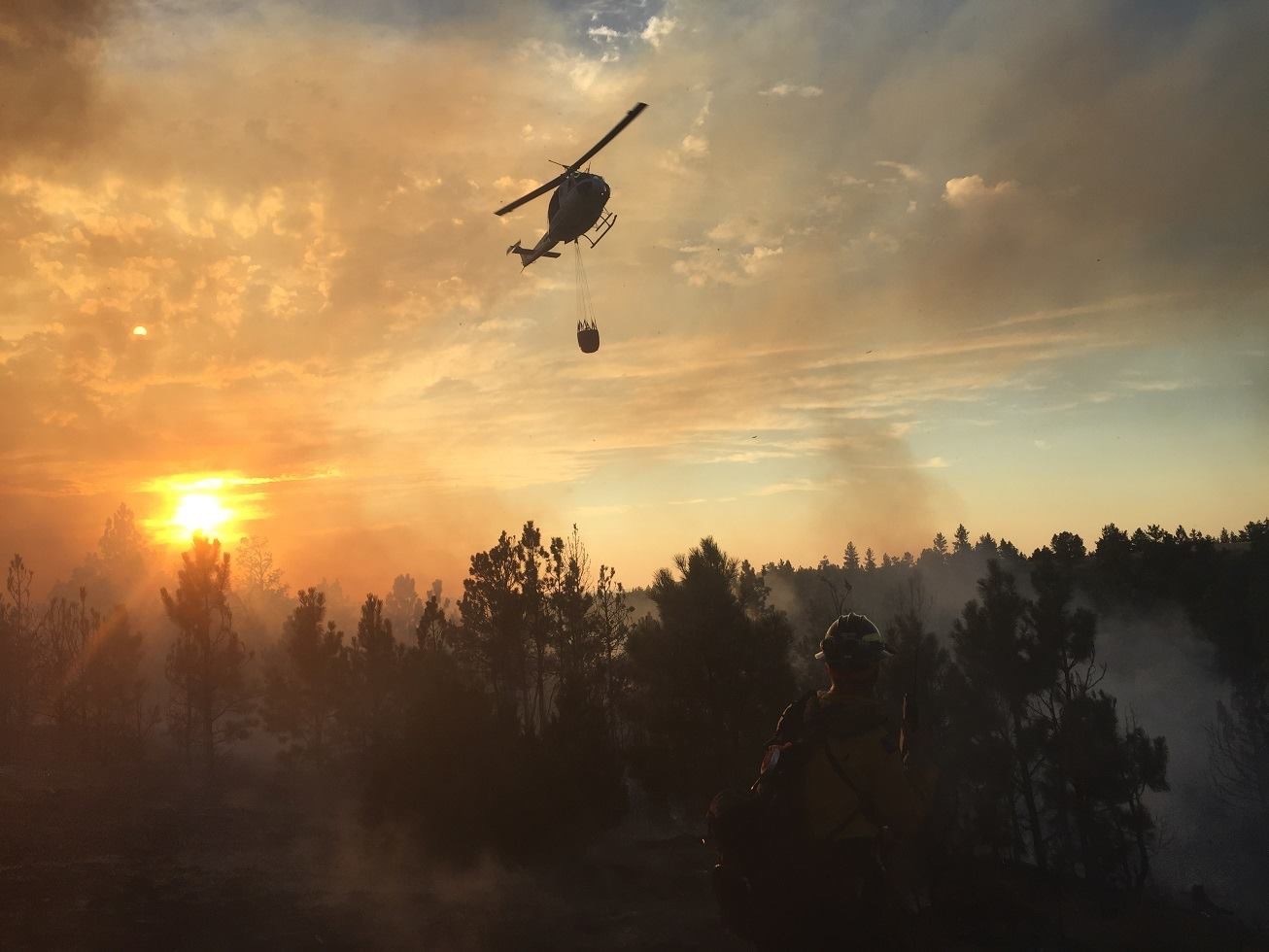
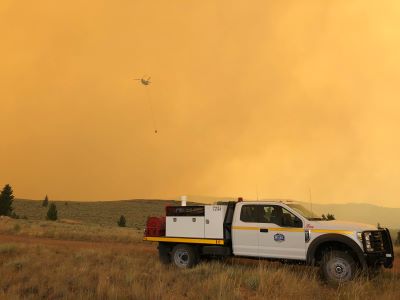
Helicopter performing water bucket drops on fire |
|
|
|
|