Montana received a $49.7 million grant to increase the resilience of our forests, agricultural lands, waterways, and communities through voluntary innovation and incentive-based projects.
As a result of a broad public planning process, including engaging with other state agencies, local governments, stakeholders, and the public, Montana will implement projects to support thriving Montana communities through innovation, not regulation.
Projects include:
- Forest management and wildfire mitigation
- Expansion of healthy urban and community forests
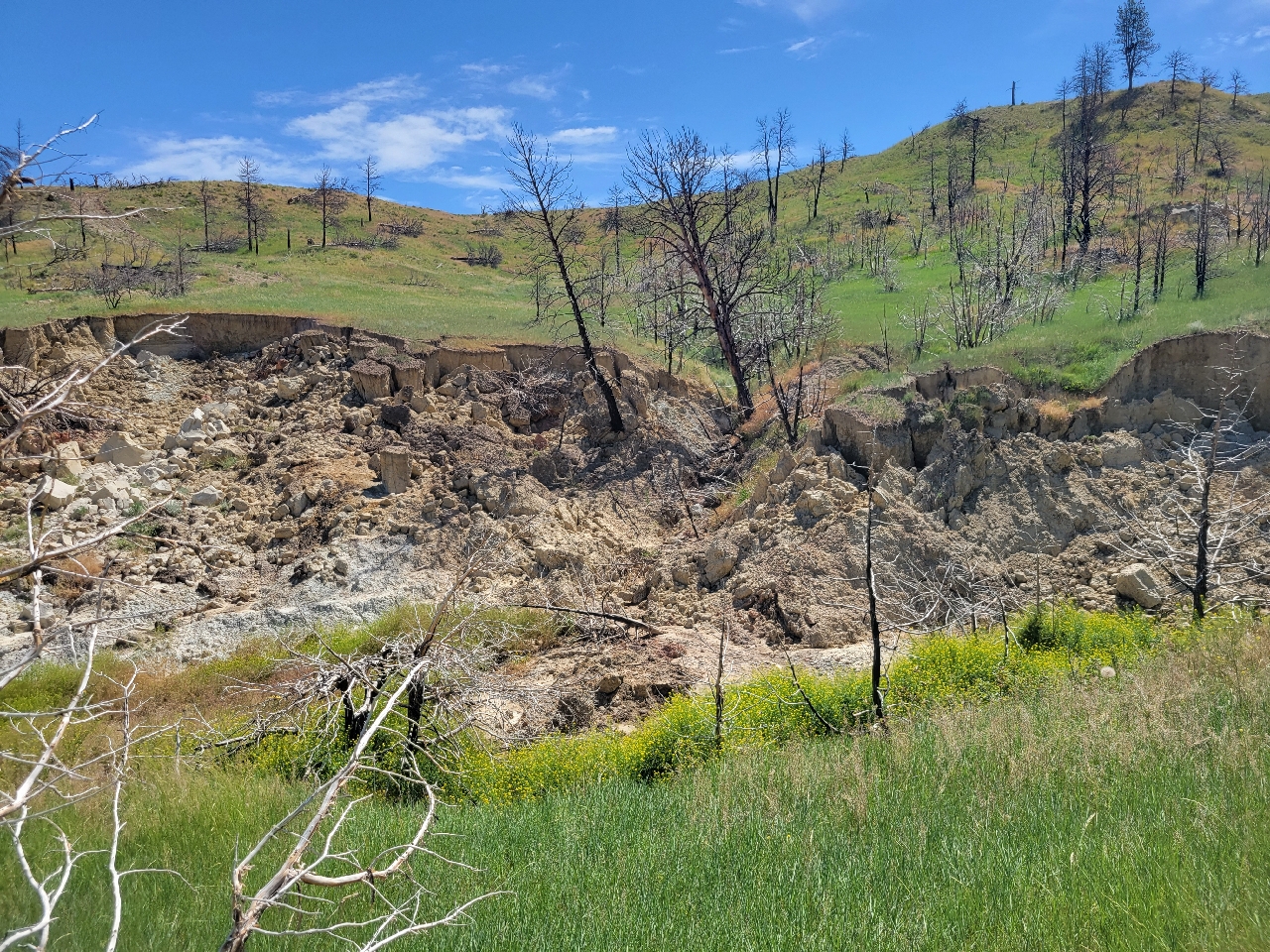
- Mitigation of coal seam fires
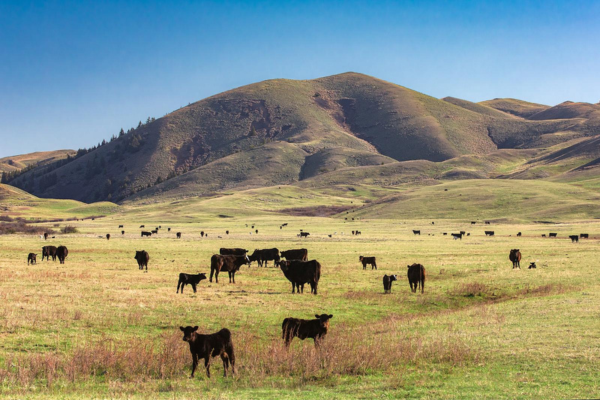
- Ranchland stewardship
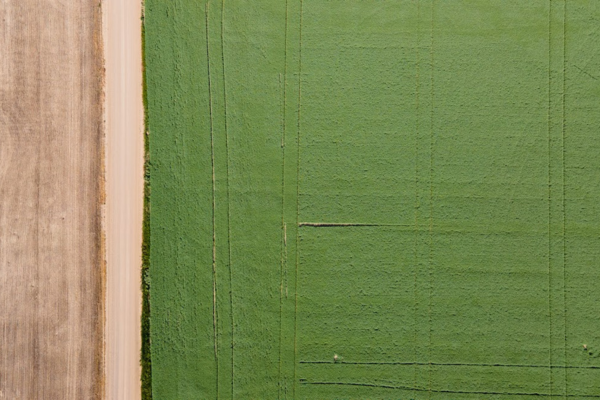
- Fertilizer use innovation for improved soil health
- Innovation in the cattle and beef industry
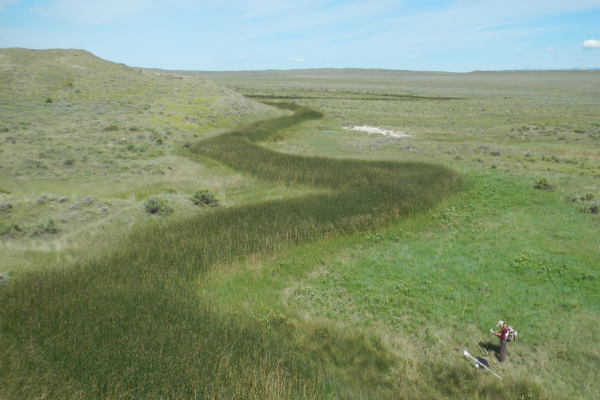
- Reductions in nonpoint source pollution
The seven coordinated projects will improve how land and water are managed, reducing risks from wildfire and other land-based sources of emissions, and investing in practical, low-carbon technologies tied to agriculture and forestry. The goal is to shift these landscapes from adding to overall emissions to helping lower them, while strengthening Montana’s natural resources and economy.
The funding is an opportunity to build on existing programs at The Montana Department of Environmental Quality (DEQ), The Montana Department of Natural Resources and Conservation (DNRC), and the Montana Department of Agriculture (MDA). The program is designed to use funding efficiently and deliver clear benefits for Montana’s environment, communities, and long-term resilience.

Funding provided by the U.S. Environmental Protection Agency
Forest Management and Wildfire Mitigation
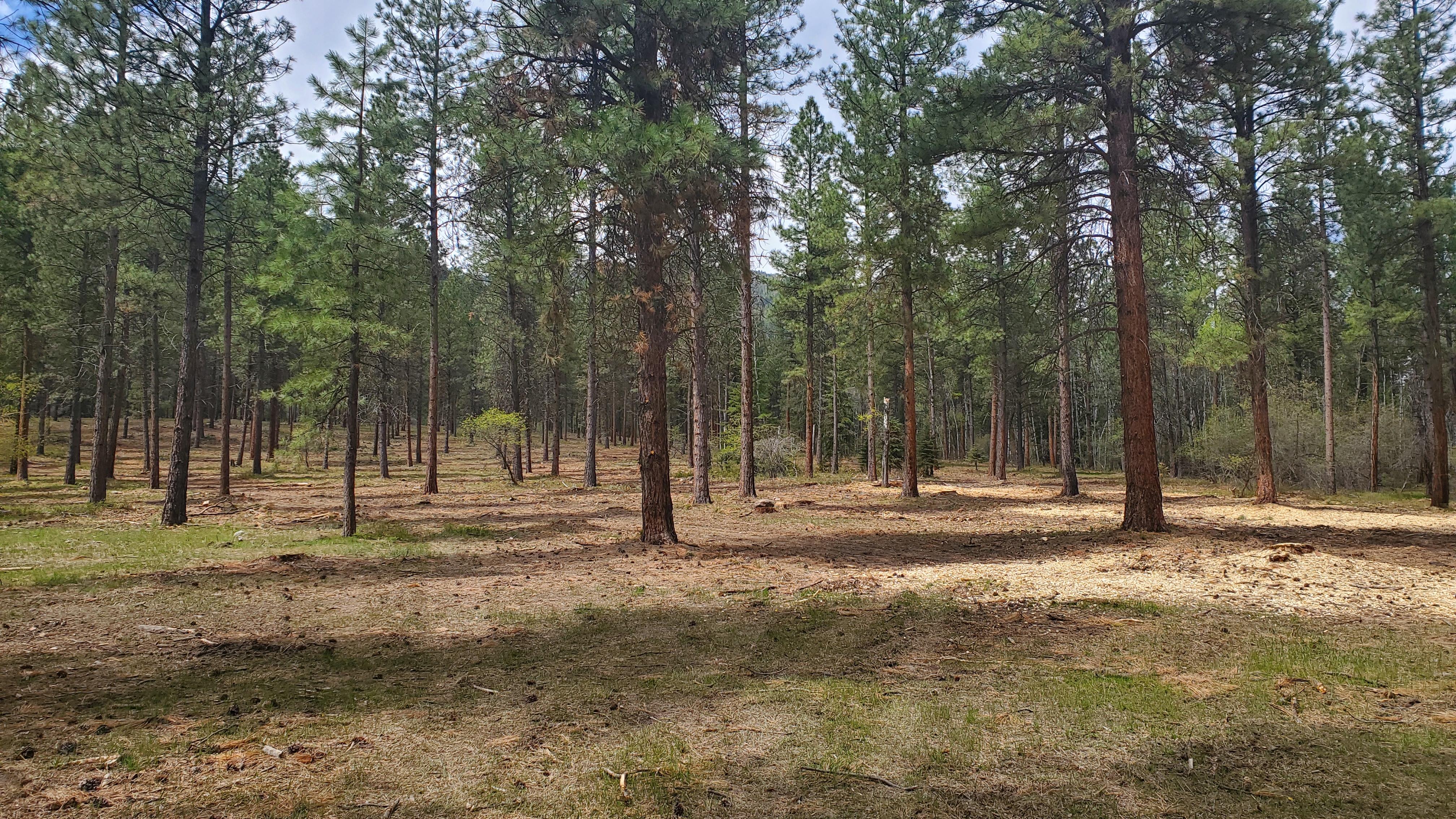
The forest management and wildfire mitigation measure is designed to restore resilient forest ecosystems, reduce wildfire risk, and lower fossil fuel use through strategic reforestation, forest management, and biomass utilization.
DNRC will collect cones, grow 2.5 million tree seedlings, and replant them in wildlands while actively managing 8,000 acres of forest to reduce stand density and improve forest health. Over the grant term, the program will enhance carbon sequestration, lower wildfire risk, and convert forest slash residuals into woody biomass products that fully replace fossil fuels for heat generation.
DNRC operates a conservation seedling nursery that grows one million seedlings annually and conducts forest management projects to improve the health of forests and reduce wildfire risk. This measure builds on these existing programs.
Expansion of Healthy Urban and Community Forests
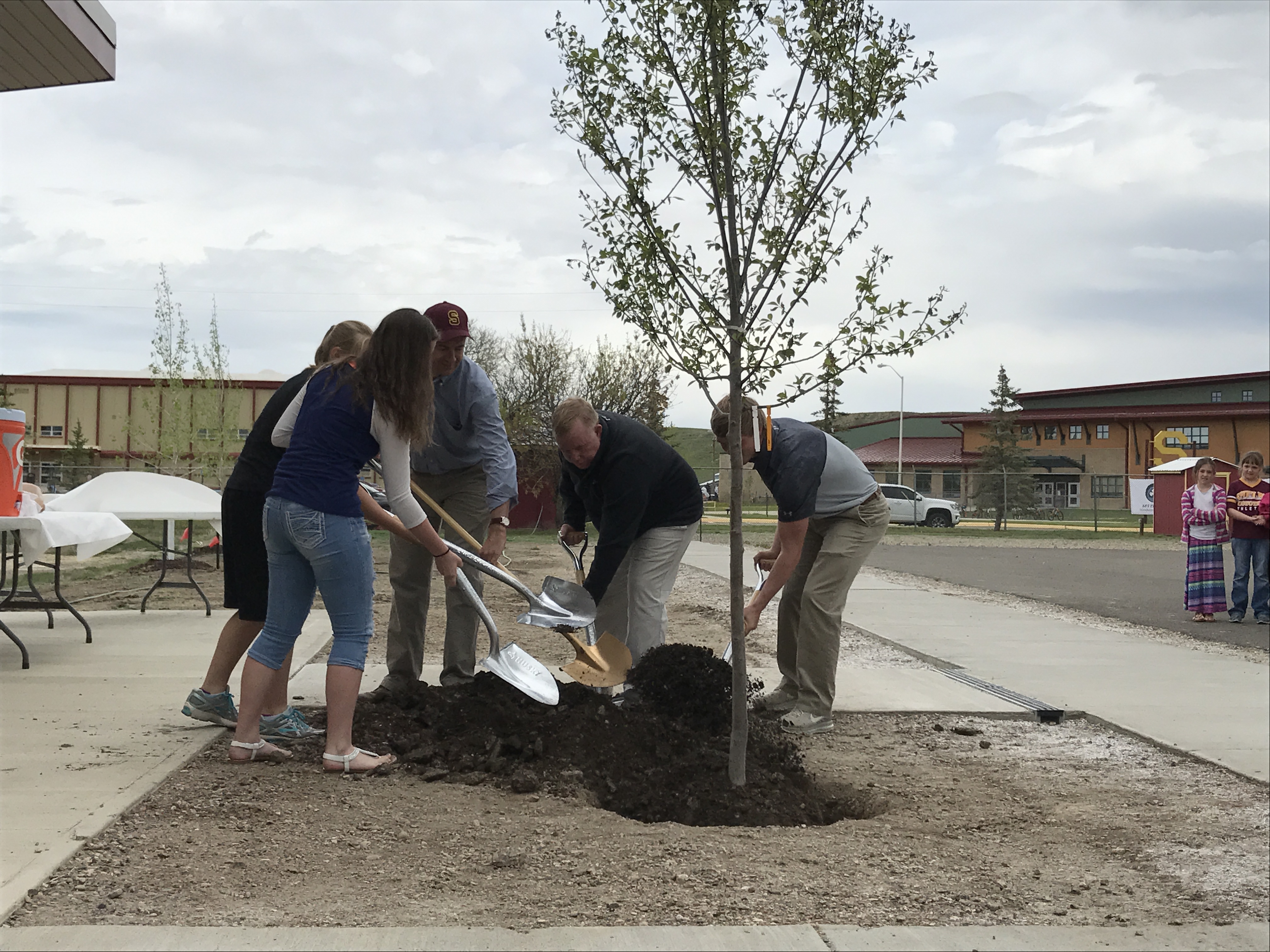
The urban and community forests measure is designed to address emissions by expanding and enhancing tree canopy in Montana’s cities and towns, with a primary focus on carbon sequestration.
DNRC will implement projects such as windbreaks and shelterbelts, food forests, and community orchards to increase shade, improve forest health, and build environmental resilience in developed areas. Expected outcomes include greater carbon storage, increased biodiversity, increased shade for cooling, improved stormwater management, and enhanced local food production through agroforestry.
Mitigation of Coal Seam Fires
Using data-driven prioritization, benefit-cost analysis, and proven suppression and containment methods, the coal seam mitigation program targets seams with the highest ignition potential and history of wildfire starts.
This work will lower emissions from continuously burning coal and coal seam–ignited wildfires, protect infrastructure and agricultural lands, and build lasting local capacity and partnerships to sustain coal seam mitigation beyond the grant period.