In Fiscal Year 2025, recreation on state trust land contributed over $2.3 Million to public schools and other institutions in Montana!
State trust lands are different than other public lands. Their constitutional purpose is to help fund Montana's public schools and other institutions as trust beneficiaries. Because of this, rules for recreating on state trust lands are different than other public land. All users are required to obtain a license to help fund the trust beneficiaries, primarily Montana's public schools.
The department of natural resources and conservation is required to manage state trust lands to maximize long-term revenue while considering resource impacts. Accordingly, state trust lands are working lands, generating revenue through agriculture leases; grazing leases; residential leases; commercial timber; mineral development; commercial development; and licenses, including special recreational use licenses and conservation licenses for public use.
When you get your conservation license, you are not only following the law, you are helping to fund schools in Montana.
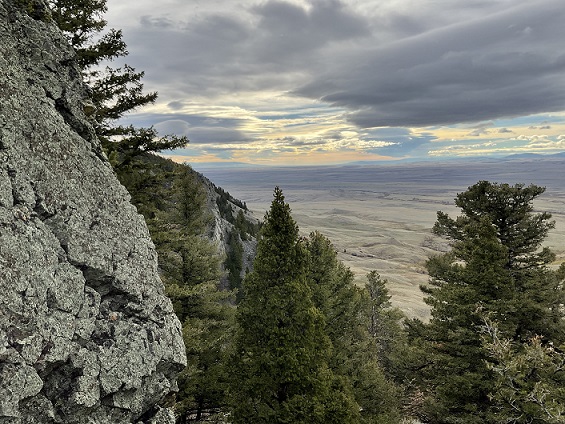 |
With a conservation license, most legally accessible state trust lands are open for recreational use. |
Licenses and Regulations
A license is required to recreate on state trust land. The appropriate license depends on the activity.
Conservation LicenseRequired for people 12 and older to use state trust lands for dispersed recreational activities. The conservation license also allows access to state lands managed by Montana Fish, Wildlife and Parks, such as fishing access sites, wildlife management areas, and wildlife habitat protection areas. More information on the Montana Conservation License.
|
Special Recreation Use License (SRUL)Commercial or concentrated recreation (organized, developed, or coordinated) like outfitting, or special events requires a Special Recreational Use License. |
Recreational use of trust land is regulated through statute and administrative rules. See 77-1-800 MCA et. seq and ARM 36.25.1201 et. seq. for more information.
General Guidelines
Motorized Vehicles:
• Open: public roads (federal, state, and dedicated county roads)
• Closed: All other roads unless signed otherwise by DNRC.
• Parking: within 50 feet of a public road. Do not block gates or roads.
E-Bikes are considered motorized vehicles on trust land. They are allowed on public roads only.
Snowmobiles are limited to public roads through leased land but are generally allowed off-road on unleased land. There may be environmental factors that limit snowmobile use in certain areas. Contact the local DNRC field office to confirm allowable use in specific areas.
Pets must be on a leash or otherwise under control.
Horseback Riding is generally allowed on trust land. Horses must be restrained and cannot be within any stream riparian zone for more than one hour. Feed must be certified weed seed free.
Camping is allowed within 200 feet of access point. Stay is limited to 2 days on leased land, and up to 16 days per month on unleased land.
Campfires are not allowed on leased land.
Firearms:
• shooting is not allowed within ¼ mile of a dwelling or associated outbuilding.
• See access webpage for locations of other special restrictions.
• Targets and debris must be cleaned up.
Littering: Pack it in, pack it out.
Gates: Leave gates the way you find them – if it’s closed, close it behind you.
Land use: Trust lands are always at work earning money to fund schools. Most are leased for agriculture or grazing, or under active timber management. Be mindful of lessee rights; respect fences, gates, and other privately-owned improvements.
Fire Info: Check out mtfireinfo.org for active fire restrictions, current wildfire info, and preparedness & prevention.
Printable Rules and Guidelines with DNRC Field Office Contact Information
 |
State trust lands are different than other public lands, in that they serve a critical role in supporting our education system. Because of this, state trust lands have different rules for recreation than other public land. |
Activities and Opportunities
More information about specific activities can be found on the following pages.